
Industry-specific work management and customer portals, configured around how your business actually runs — instead of forcing your business to fit the software.
Work management · Customer portals · Team coordination · Forms and workflows
Different industries operate differently — but they share one problem: keeping people, information, tasks and next steps connected.
Each one works differently, so each one is built differently. Open yours to see what the setup actually looks like.
Not listed? It is almost certainly a variation on one of these. Tell us what your work is called.
Jobs, matters, engagements, functions, productions, files. The word you use is usually enough for us to tell you what the setup looks like and roughly what it costs.
Consultants, accountants, agencies and coaches do not lose money on the work. They lose it on the signature that never came back and the invoice nobody chased.
A client engagement: phases, tasks and the invoice raised from it.
The client portal: engagement status, documents to approve, invoices.
A short call, your workflow on the screen, and a straight answer on what this would look like configured for you.
Acquisition is a budget. Retention is a system. Everything below the tear line is the half that runs after the receipt — and the half most shops never automate.
The second order costs nothing to win.
No guessed tags. A segment is a rule against real purchase behaviour, so the campaign reaches the people it was written for.
Orders, subscriptions and the audience built from purchase history.
The customer account: order history, reorder, subscription controls.
A short call, your workflow on the screen, and a straight answer on what this would look like configured for you.
Most of the friction in a technical engagement is not technical. It is the client not knowing what happened this week - and the request that arrived as an email nobody owned.
Requests come in through a form, land in a lane, and the client sees their own rows. Internal work stays internal.
The project board with phases and incoming client requests.
The client portal: open requests, project progress, documents.
A short call, your workflow on the screen, and a straight answer on what this would look like configured for you.
The people who bought the last book are the ones who will buy the next one. Keep them somewhere you own, with the titles, rights and events attached.
Every spine is a record — and the next title ships to readers you already have.
One journey per title, reused every release.
Registrations, attendance and who actually came.
The backlist keeps earning because the audience stayed.
You are not renting the readership back from a platform.
Contact types and custom fields configured for how a publisher thinks, rather than a sales pipeline with the labels changed.
Titles and authors with the release journey attached to a launch.
The author portal: their titles, statements and upcoming dates.
A short call, your workflow on the screen, and a straight answer on what this would look like configured for you.
The quote nobody followed up, and the customer nobody asked back. Everything else most trades already do well.
The job list: quotes out, visits scheduled, invoices raised.
The customer portal: quote approval, visit history with photos.
A short call, your workflow on the screen, and a straight answer on what this would look like configured for you.
Mileage, interval and last service are already on the record. The shop that acts on them is the one that gets the work.
The reminder is already scheduled. Nobody in the office had to notice.
The service schedule: vehicles due and approvals pending.
The owner portal: vehicle history, due services, work approval.
A short call, your workflow on the screen, and a straight answer on what this would look like configured for you.
A client who can open the matter and see where it is does not make that call. The file is the same one your team works from.
Matters with phases, deadlines and documents against each one.
The client portal: matter status, secure documents, invoices.
A short call, your workflow on the screen, and a straight answer on what this would look like configured for you.
A directory says who exists. It does not get two members talking — and the ones who never connected are the ones who quietly do not renew.
Membership is the field we have built furthest into. There are two products and a pricing page of their own.
Priced by member count, in four bands. See organization pricing.
Members, dues status and the events coming up.
The member portal home, branded as the organization.
A short call, your workflow on the screen, and a straight answer on what this would look like configured for you.
Not in the making. In the moment nobody can say what was approved in round two, or who agreed to the extra work.
Projects by round with approvals outstanding.
The client portal: current round for review, approvals, finals.
A short call, your workflow on the screen, and a straight answer on what this would look like configured for you.

You have spent years building a network. Past clients, your sphere, your lender and your inspector, your BNI chapter, your chamber. For most agents that network is where the majority of closed deals come from — and it is currently run on memory, Facebook and a spreadsheet.
Everyone in this business runs the left-hand side beautifully. The commission lives on the right — and so does everyone you met getting there.
If you already run a lead CRM, keep it. This is not a fight over the same ground.




Not a lead you have to buy. Somebody you have already met, who knows what you do, and who is one well-timed conversation away from being a client again.
Five groups, one business. Most agents can name people in every one of them — and have a system for none of them.
You meet somebody at a mixer. Ninety seconds of work, and that conversation is still working for you in July.
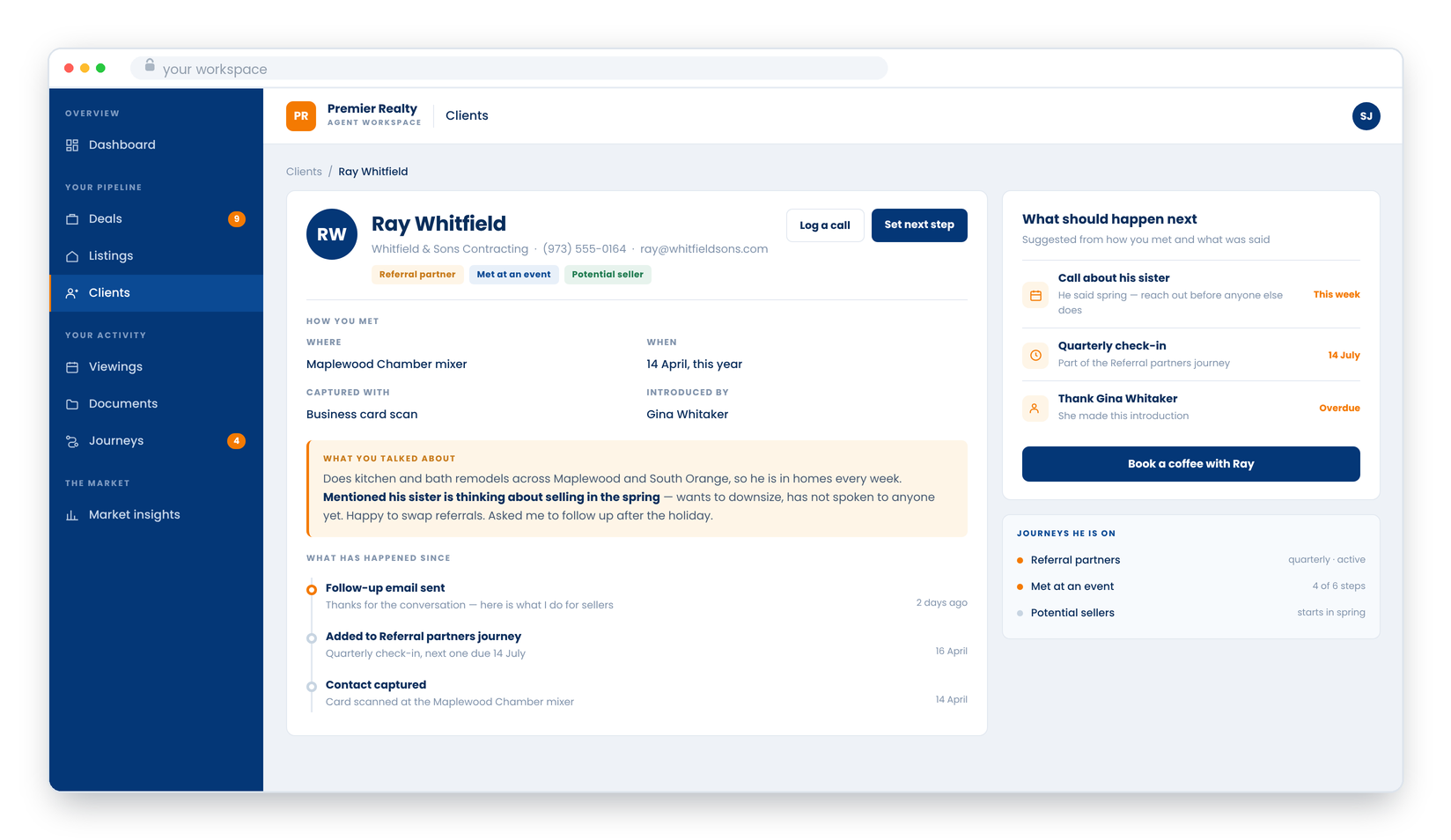
Where you met him and who introduced you. That his sister is thinking of selling in the spring. That the person who made the introduction has not been thanked. And three things to do about it, one already overdue.
A past client sends a friend. A mortgage broker refers a buyer. A contractor introduces a homeowner. Right now none of it is tracked, so you cannot tell which relationships produce and which have gone quiet.
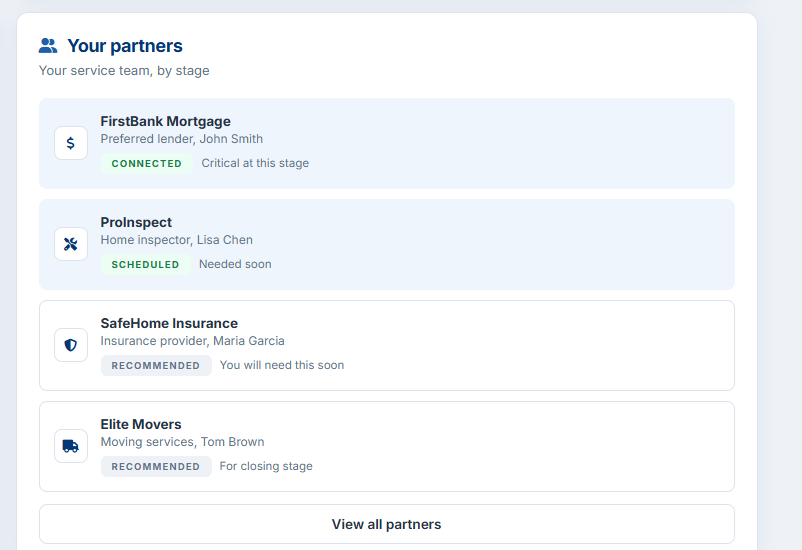
Lender, inspector, insurer, movers — each appears at the stage that needs them. Segwik holds the other half too: who introduced whom, and who is overdue a thank you. Segwik will not generate referrals for you; it keeps the relationships that produce them alive.
While the deal is on it answers the questions they would otherwise text you about. Afterwards it just stays there.
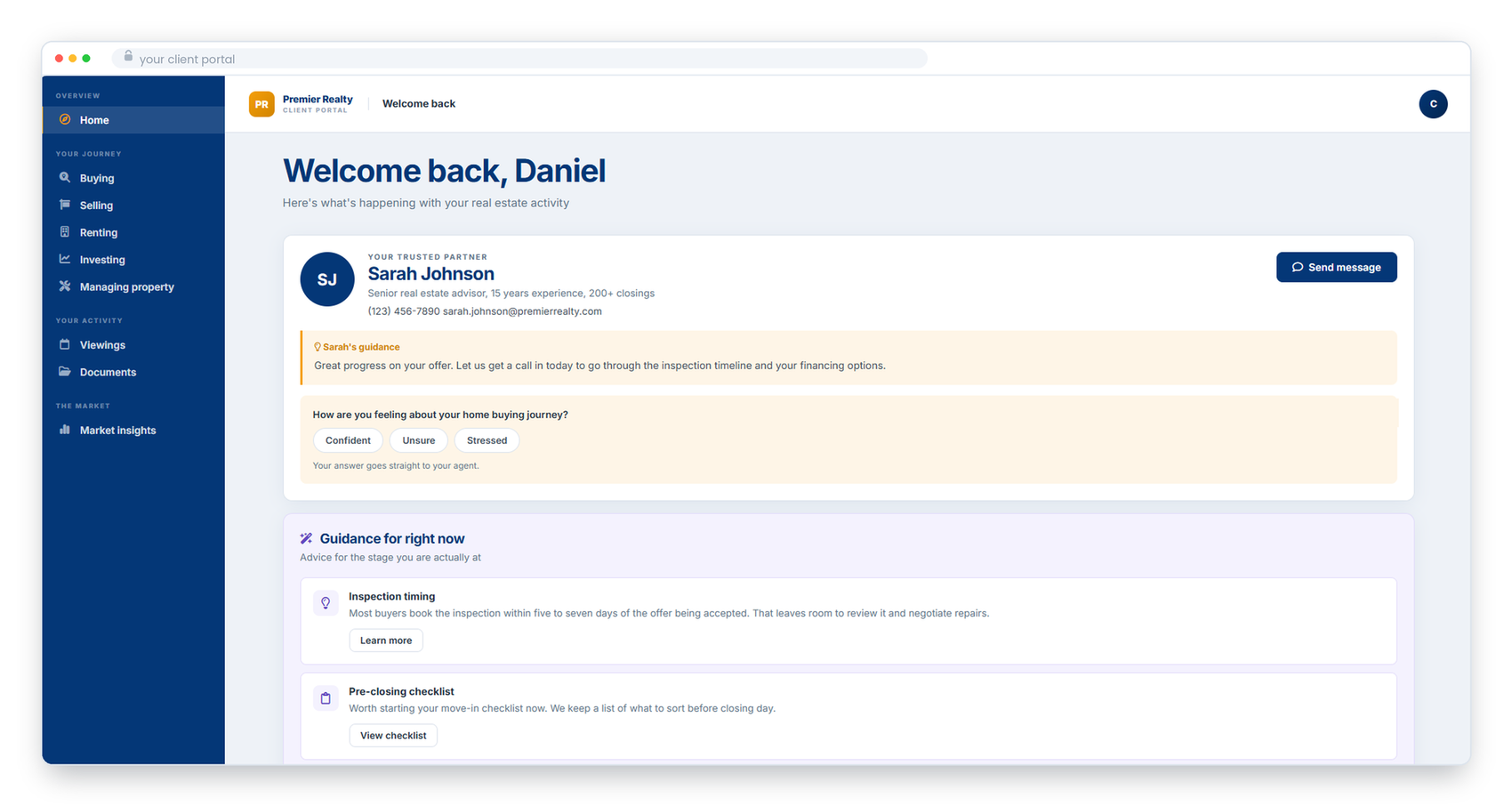
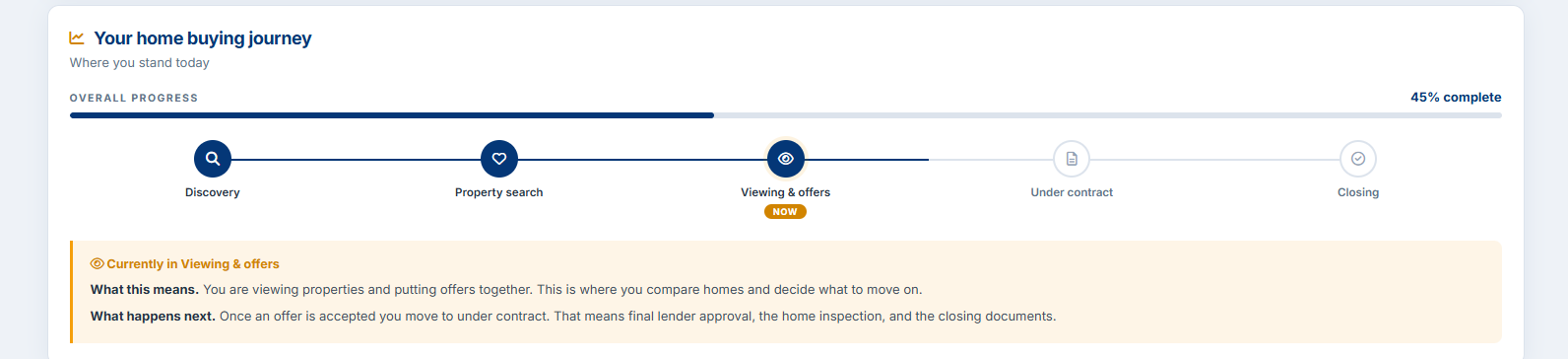
They always know which stage they are in and what happens next — which was most of the calls you were taking.
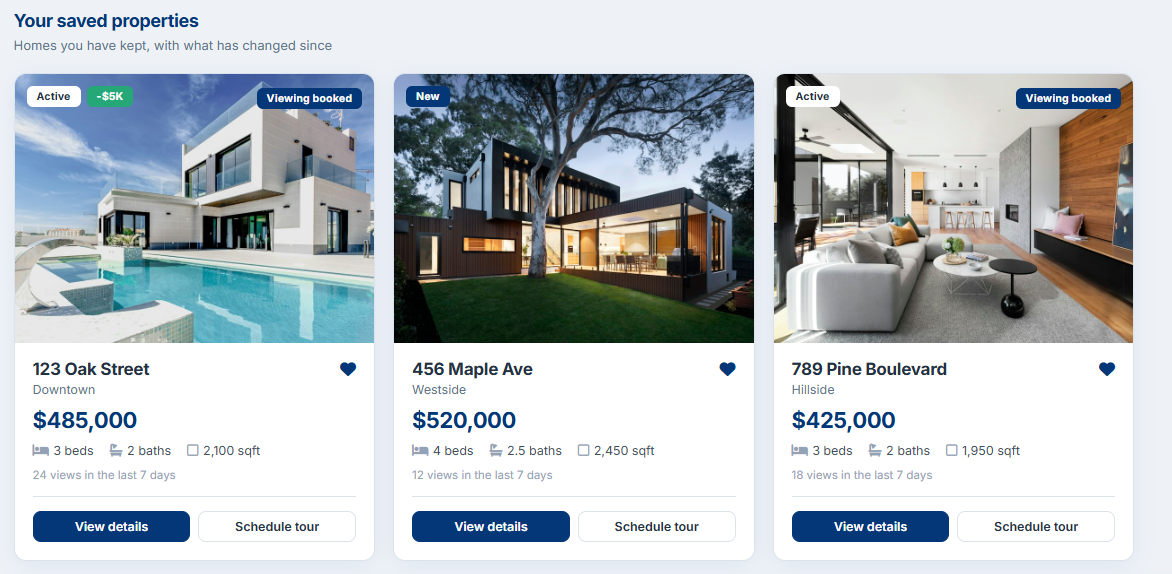
And while they are still looking: saved homes, price drops, and which already have a viewing booked.

Not a dashboard of numbers you will never act on. A short list of people, with the reason each one is on it.
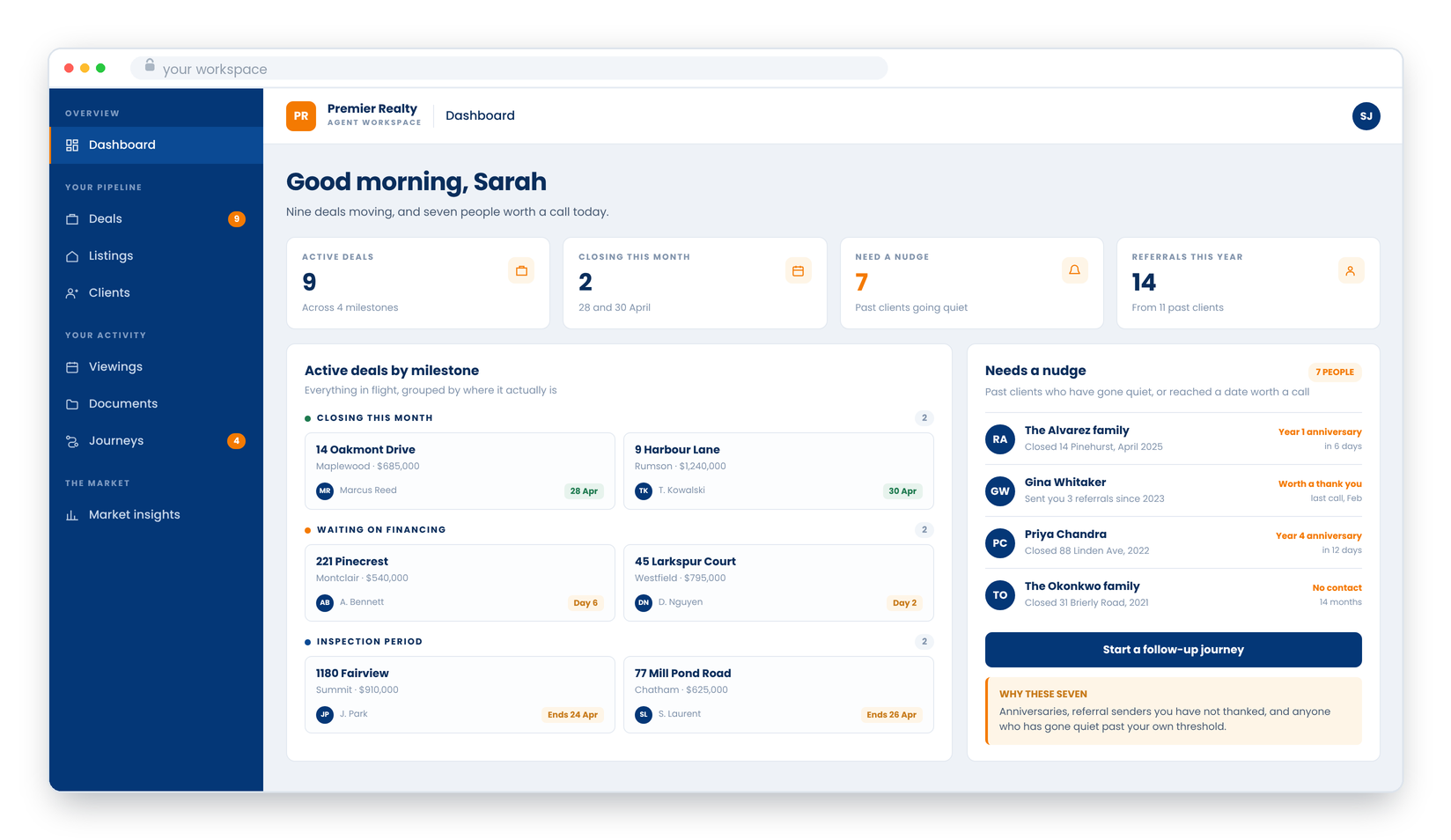
You should not have to choose between serving today’s clients and building tomorrow’s business.
Every one of those networks is an asset of the firm, and almost none of it is anywhere you can look. When somebody resigns on a Friday you find out what you lost on the Monday.
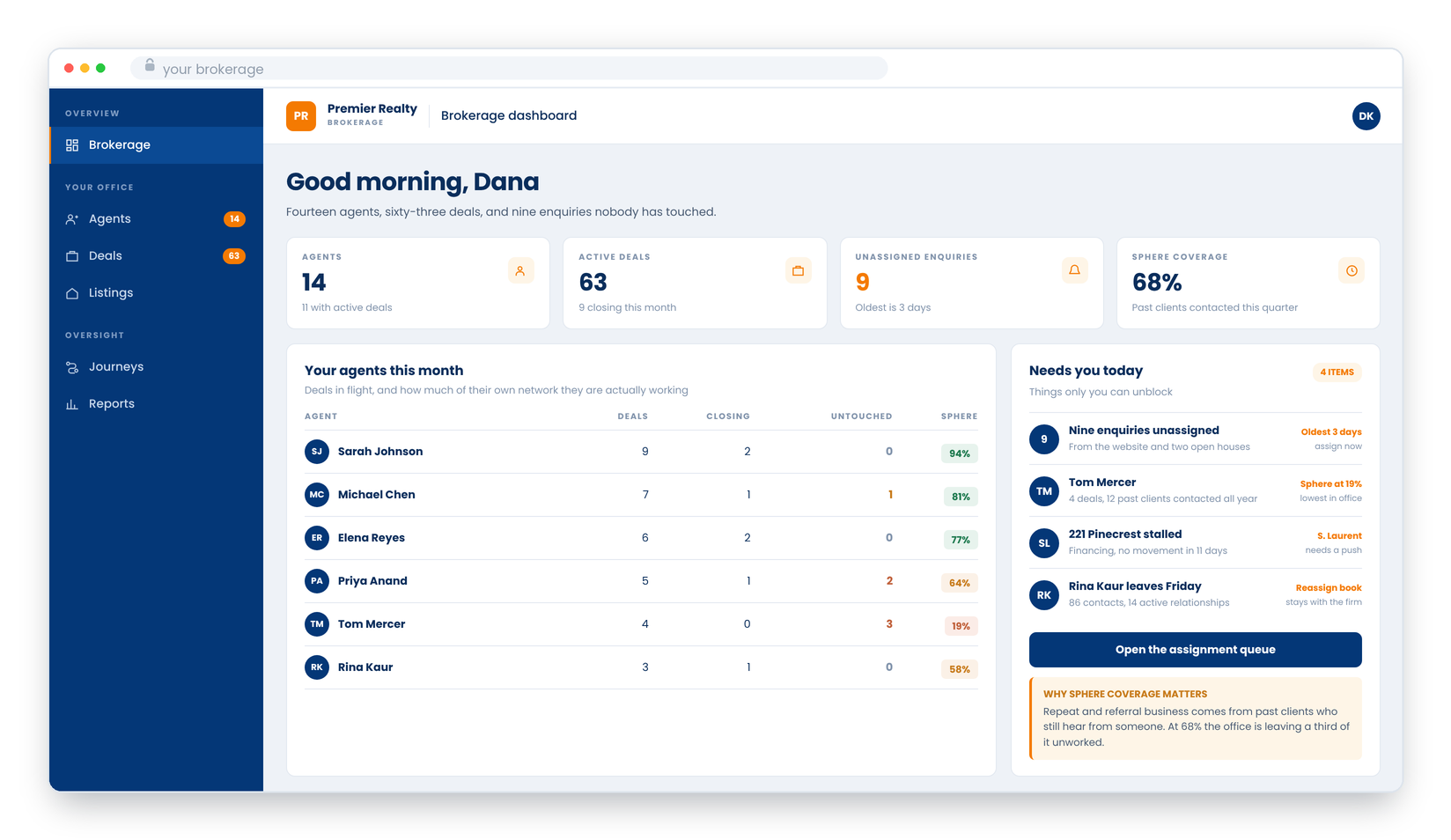
That one number tells us where to start you. Or skip the call: Segwik Start is free forever, so you can bring your contacts across and look at your own past clients in it first.
Segwik · Follow Up Boss handles your leads. Segwik grows your referrals.
Every file has to move the same way, and it has to be possible to show that it did. The chase for documents is where most of that falls apart.
Both are configured around how the file actually moves, rather than a generic pipeline with the stages renamed.
The pipeline by stage with outstanding documents flagged.
The client portal: secure document upload and file status.
A short call, your workflow on the screen, and a straight answer on what this would look like configured for you.
A function gets booked by phone, changed by text and confirmed by email. When the person holding it is off, the business finds out the hard way.
The function diary with deposits and final numbers.
The customer portal: booking details, menu selections, balance.
A short call, your workflow on the screen, and a straight answer on what this would look like configured for you.
Donors here, volunteers there, the people you serve somewhere else. The support you are missing is sitting in the overlap nobody can see.
Donors, recurring giving and volunteer rosters.
The supporter portal: giving history, receipts, volunteer shifts.
A short call, your workflow on the screen, and a straight answer on what this would look like configured for you.
One person runs the build, another runs the guest list, and the handover between them is where things get dropped on the night.
The production board: load-in, run and strike phases.
The partner portal: run sheets, documents and guest list.
A short call, your workflow on the screen, and a straight answer on what this would look like configured for you.