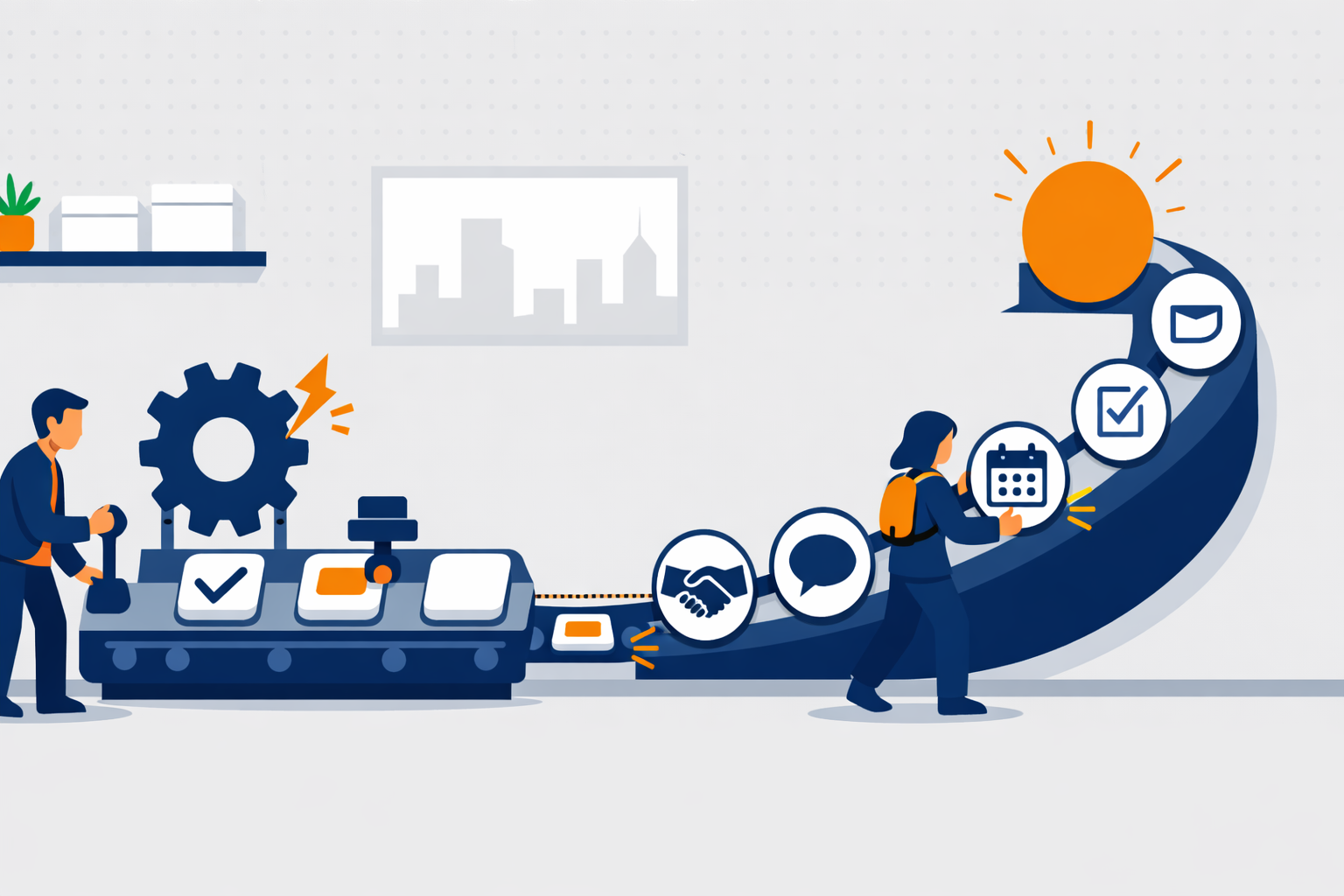
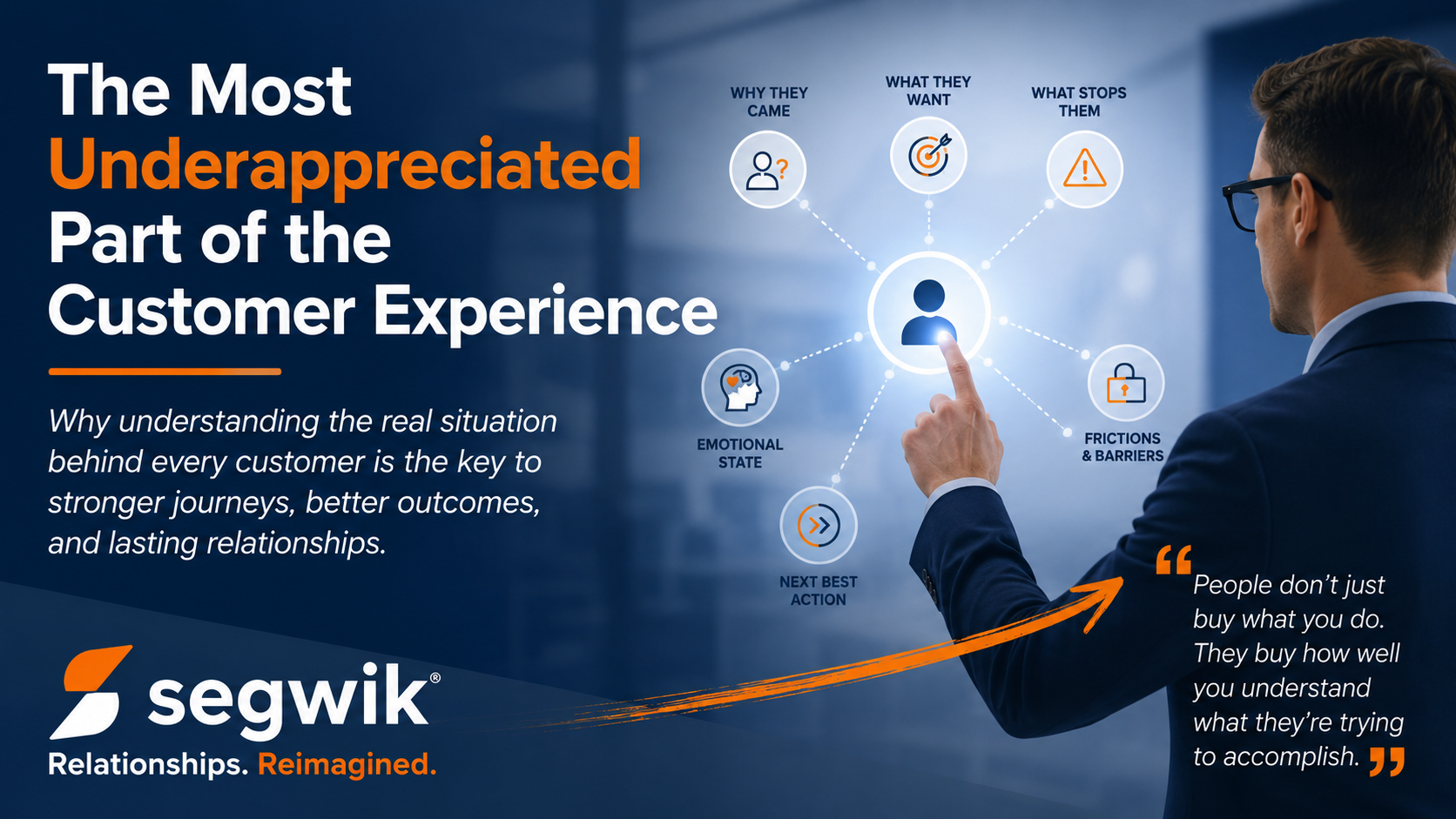
Most businesses believe they understand their customers. But the deeper question is not just who the customer is — it is why they are here, what they are trying to accomplish, and what should happen next because of it.
Many businesses understand their customers at a surface level. They know the industries they serve, the services people ask about, and the common labels attached to those people: buyer, seller, homeowner, founder, nonprofit, consultant, prospect. Those labels can be useful for organizing information, but they rarely explain the real situation behind the inquiry.
Not just what they clicked on. Not just what service they selected. Not just what category they technically belong to. What is happening in their world that caused them to reach out?
Two people can arrive at the same business looking for the same service and still require a very different experience. One may be trying to reduce stress. Another may be trying to create growth. One may need education and reassurance. Another may need speed and decisiveness. On paper, they may look identical. Operationally, emotionally, and behaviorally, they are not the same journey at all.
This is where a surprising amount of customer experience friction begins. Not because businesses do not care. Not because teams are lazy. Not because systems are missing. But because many organizations are unknowingly operating from categories instead of situations.
It changes how a business communicates. It changes onboarding. It changes automation. It changes follow-up timing. It changes recommendations. It changes the sales conversation. It changes what kind of reassurance should exist before a person ever becomes a customer.
In many ways, the customer journey is not really a sequence of transactions. It is a sequence of interpreted moments. At every stage, people are silently trying to determine whether your business truly understands the situation they are in.
Long before someone evaluates your software, your pricing, your process, or even your expertise, they are often evaluating something much more human: “Do these people understand what I’m actually trying to solve?”
That question sits underneath nearly every interaction a customer has with a business. And ironically, it is one of the least operationalized parts of modern business systems.
Many organizations invest heavily in CRM systems, automation tools, funnels, pipelines, lead scoring, reporting, and analytics while still operating from very generic assumptions about the people moving through those systems.
Those labels may help organize records, but they rarely help a team understand how to serve someone more intelligently. Because a useful persona is not simply a description of a person. A useful persona is a description of a situation.
A meaningful persona should not simply describe demographics or surface-level traits. It should help the business understand the customer’s buying situation, emotional state, and next best step.
If understanding a persona does not meaningfully change the message, the onboarding, the offer, the follow-up, the next best action, or the customer journey itself, then it probably is not a very useful persona yet. It may simply be a category.
This is one of the reasons so many businesses struggle to create customer journeys that feel genuinely connected and intuitive. The systems themselves may exist, but the interpretation layer is missing.
When the interpretation layer is missing, friction starts showing up across the business. It does not always look dramatic at first, but customers feel it.
Eventually, businesses find themselves working harder while customers still feel misunderstood.
Relationships are rarely built through one perfect moment. They are built through consistency, relevance, timing, clarity, and trust accumulated over time. That means the real challenge is not simply attracting customers. The challenge is creating systems that help people feel understood at scale without making the experience feel robotic.
Instead of asking, “Who is our customer?” a more useful question is: “What situation causes someone to come to us, and what should happen differently because of it?”
That shift sounds subtle, but it changes the architecture of the customer journey. A business owner who feels overwhelmed and disorganized may need operational relief and simplicity. Another business owner may be growth-oriented and looking for systems that create leverage and visibility. A nonprofit director may be trying to coordinate people, communication, and moving parts across an organization. A community builder may not simply need contact management at all. They may need an ecosystem for relationships, participation, coordination, and long-term engagement.
This is where customer journeys stop becoming theoretical diagrams and start becoming operational philosophy. Customer experience is not only about design. It is about alignment between the customer’s situation, the business’s understanding, and the systems responsible for guiding the relationship forward.
When those things are aligned, businesses begin to feel more human even as they scale. Communication feels more relevant. Onboarding feels more intentional. Automation feels more helpful than intrusive. The sales process feels more consultative than transactional.
In a world increasingly dominated by automation, speed, and AI-generated interactions, this difference becomes more valuable, not less. The businesses that stand out over the next decade are not necessarily the businesses with the most automation. They are the businesses that best understand how to operationalize empathy, context, consistency, and customer understanding inside their systems.
Modern customer experience is no longer only about responsiveness. It is about interpretation. People want to feel like the business understands where they are, what they are trying to accomplish, and what kind of guidance they actually need next. That is what creates trust.
The organizations that invest time into deeply understanding customer situations — not just customer categories — gain something much more valuable than better marketing. They gain operational clarity.
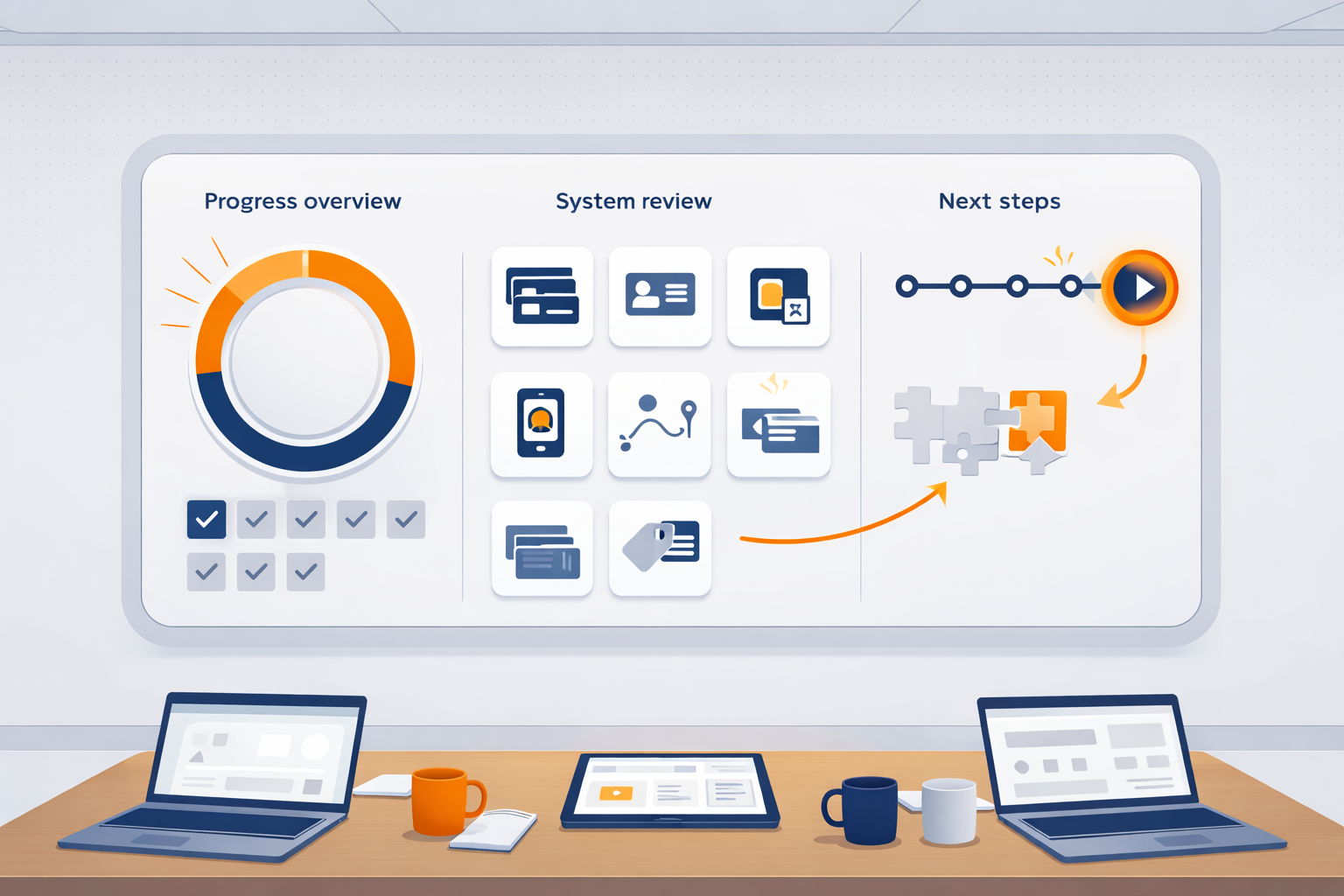
Best mindset: show up honestly — we’ll build the system around what you actually need.
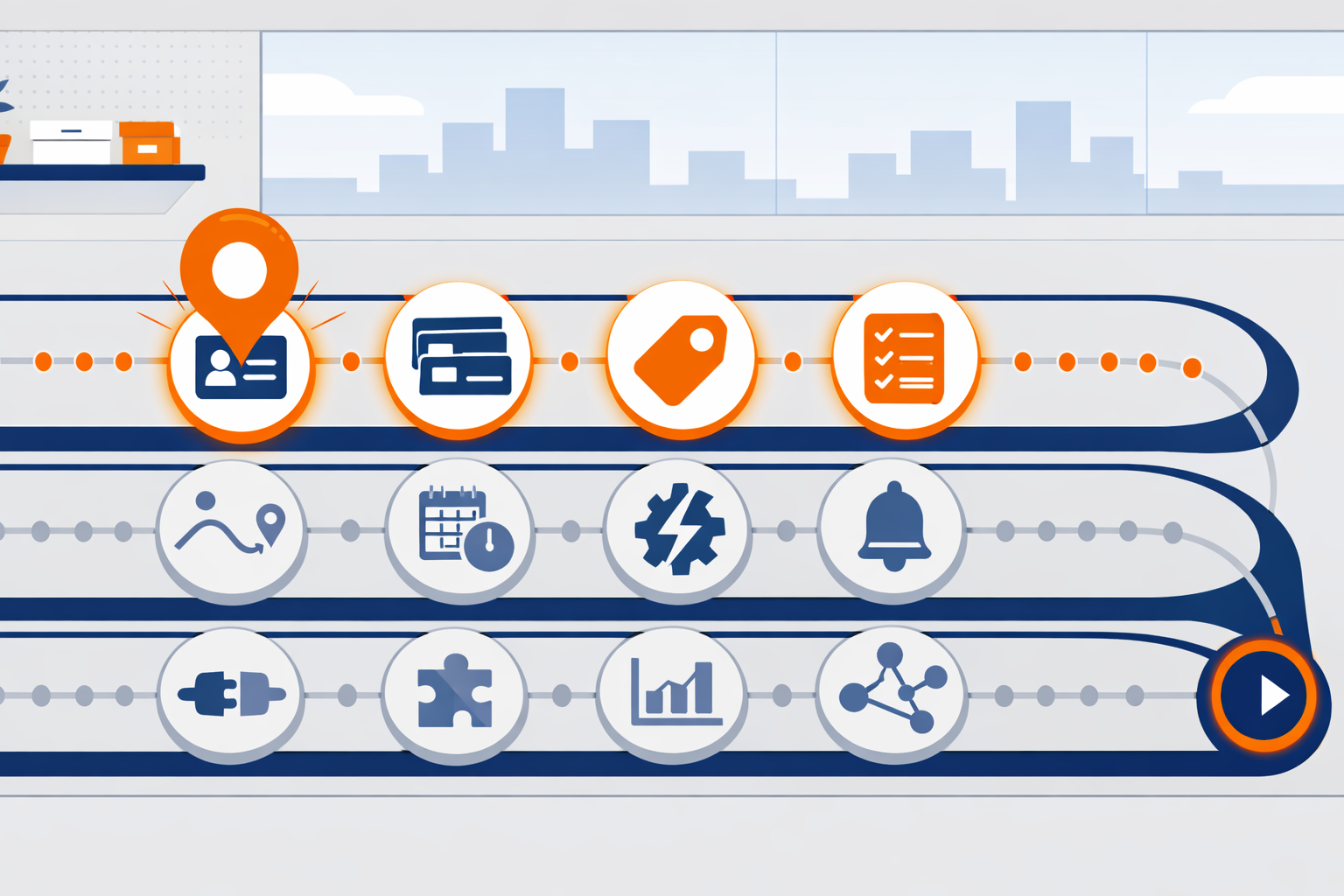
If you’re ever unsure what to do next, the Roadmap is your answer.
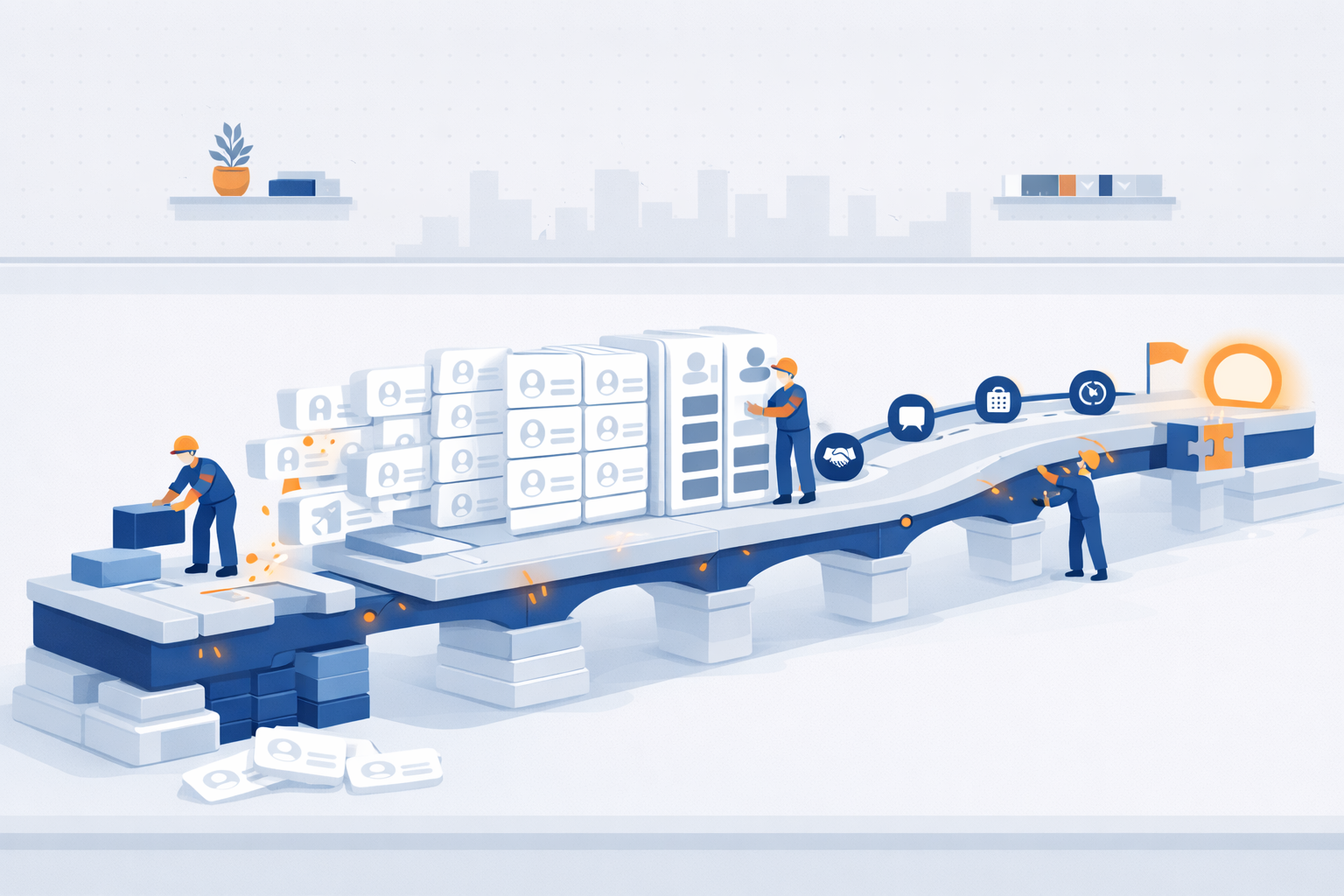
If you use Segwik consistently for one month, you stop relying on memory. You stop losing track of people. You stop wondering what to do next.
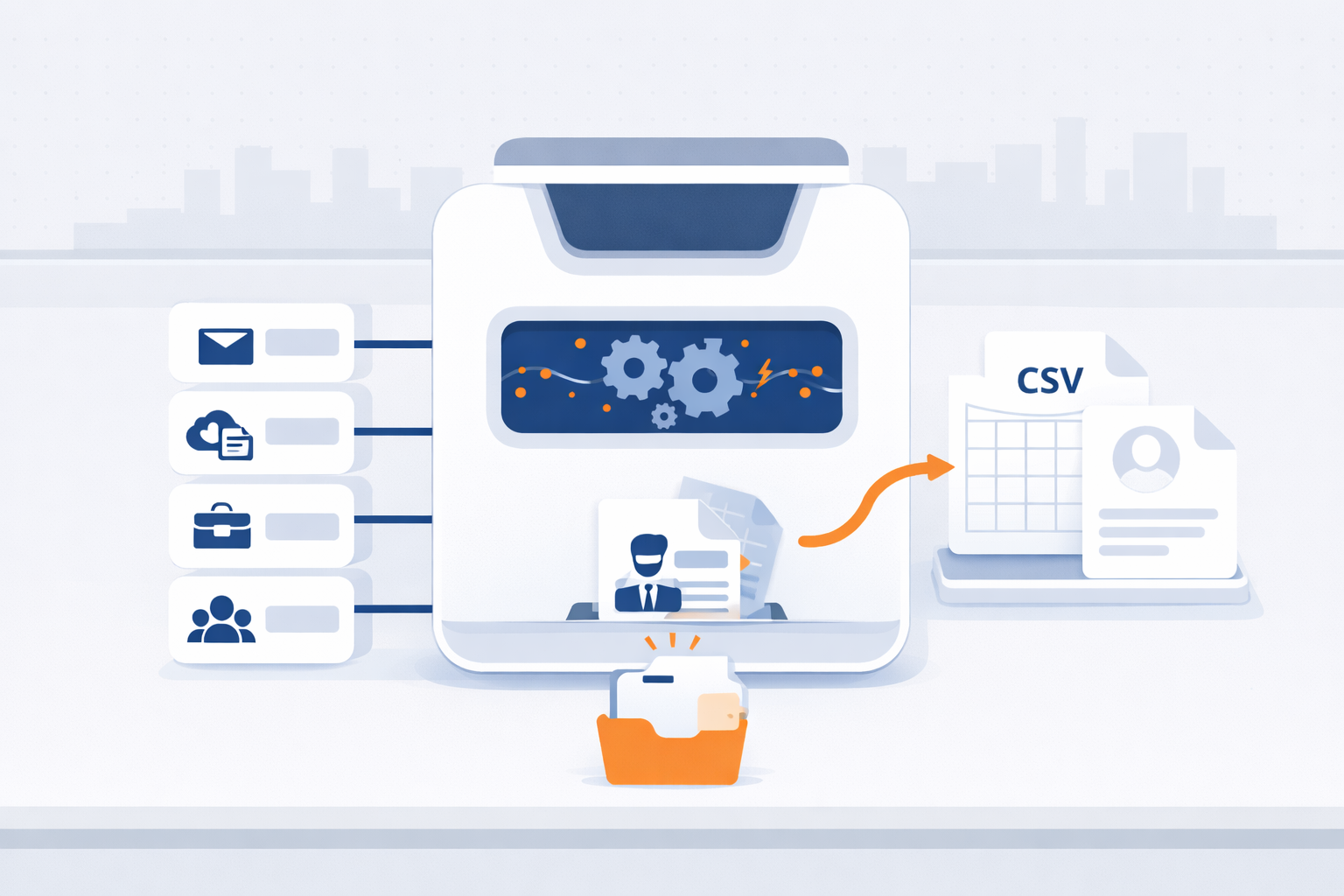
Export your contacts from Gmail, iCloud, Outlook, or Mailchimp in minutes—so you can bring them into Segwik quickly and stay organized.
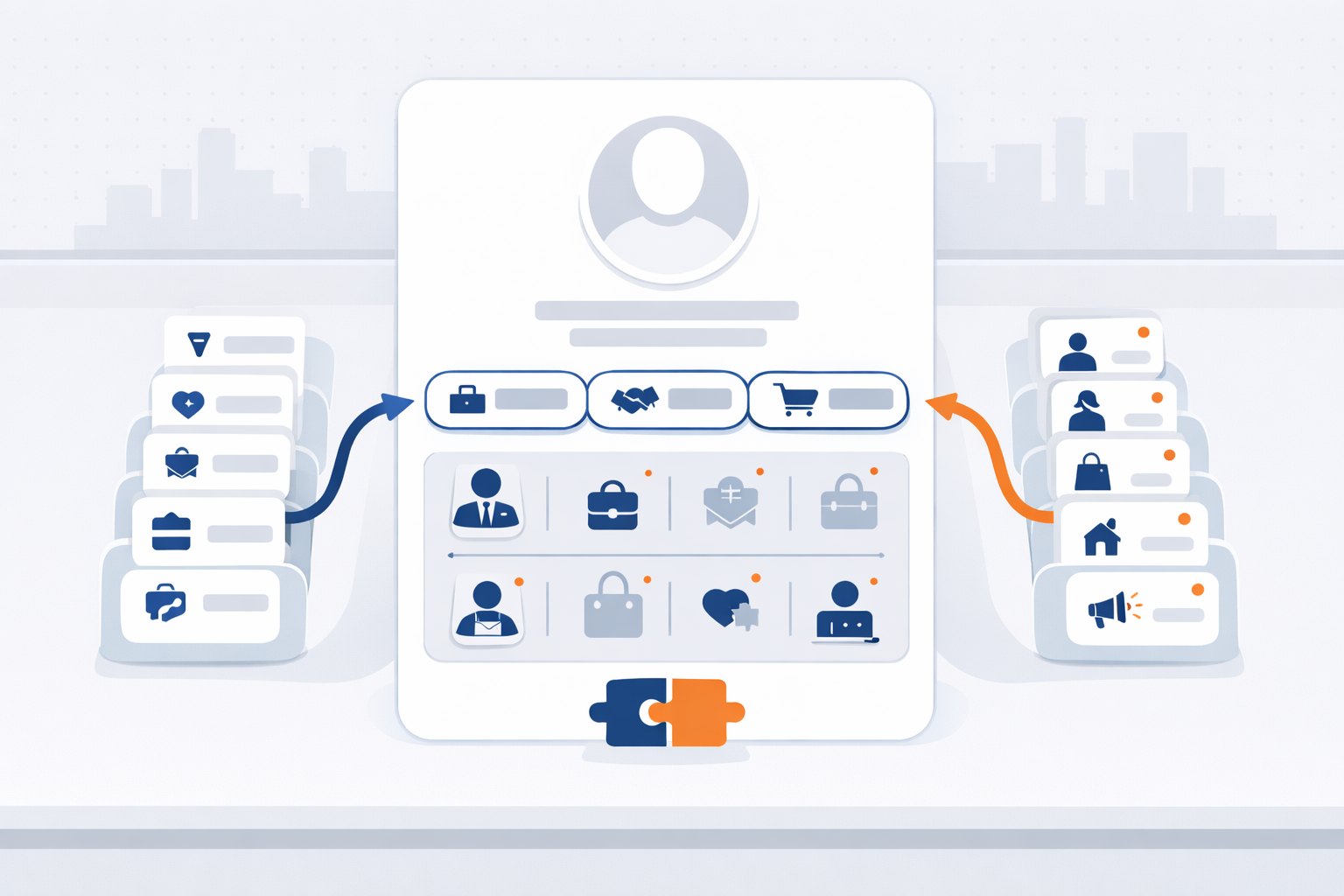
Contact Types and Personas help Segwik understand both your relationship to someone and who they are in your world.
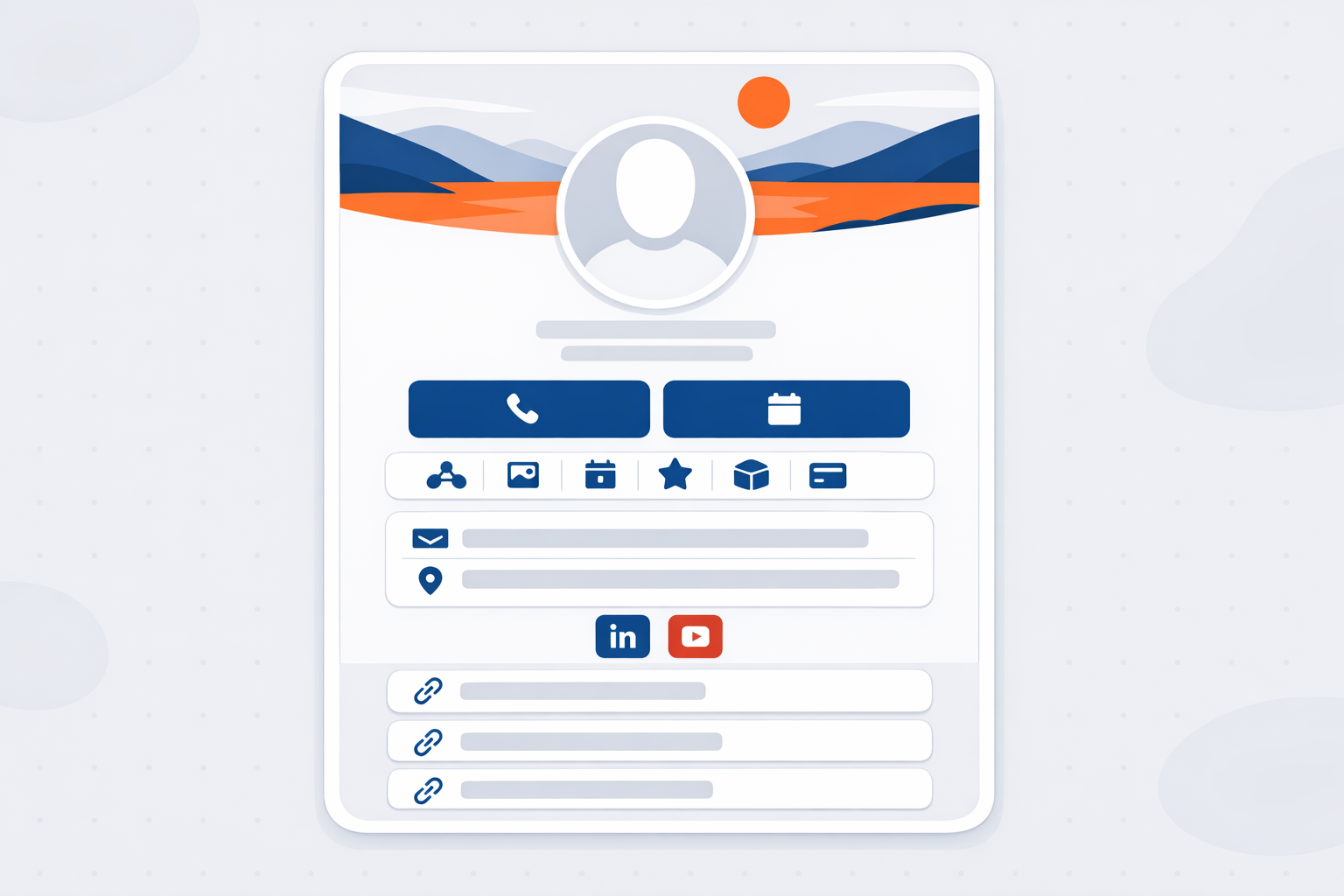
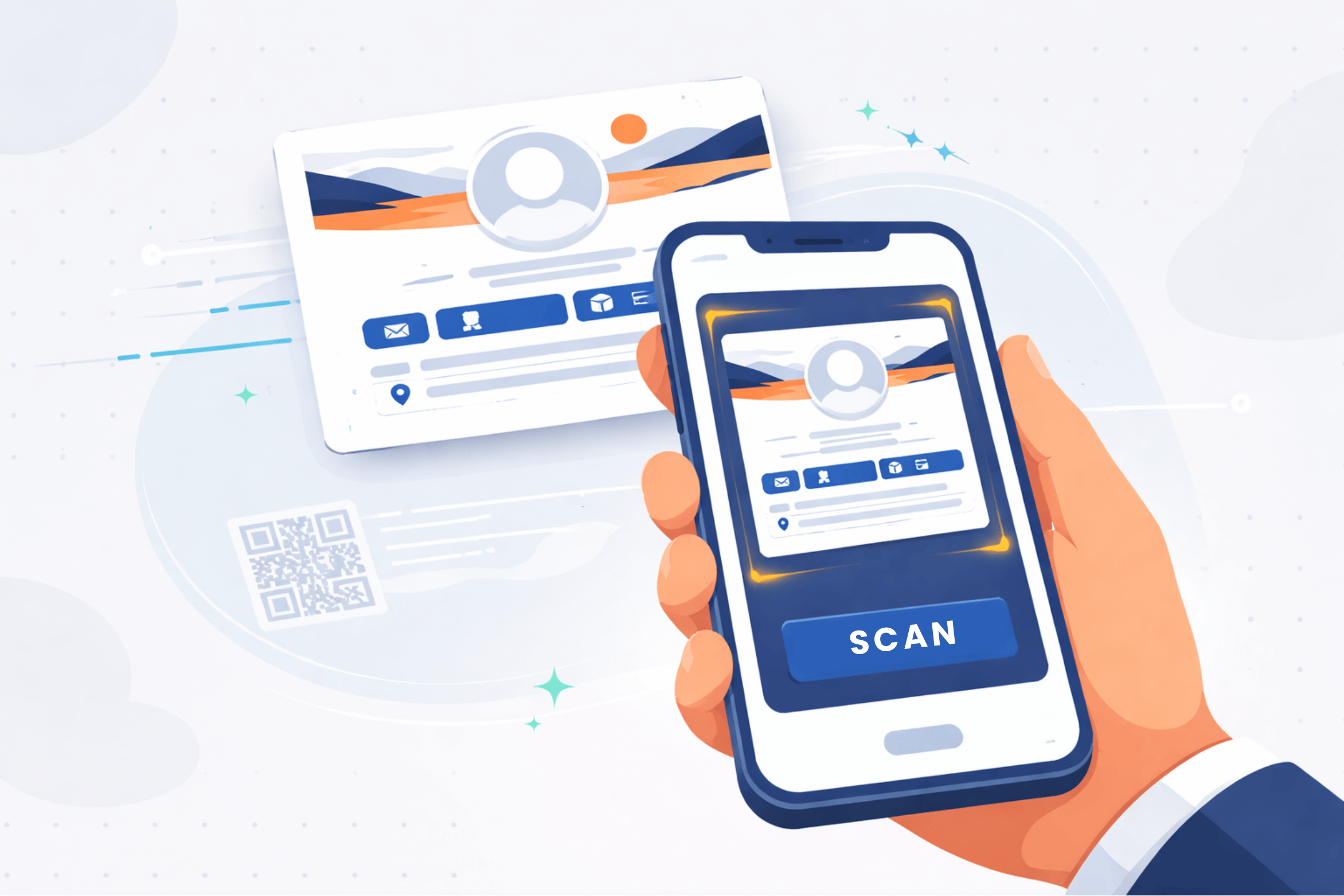
A great digital card makes it easy for people to save you, contact you, book time with you, and share you—without friction.
Clean data imports faster, maps easier, and creates fewer issues later.
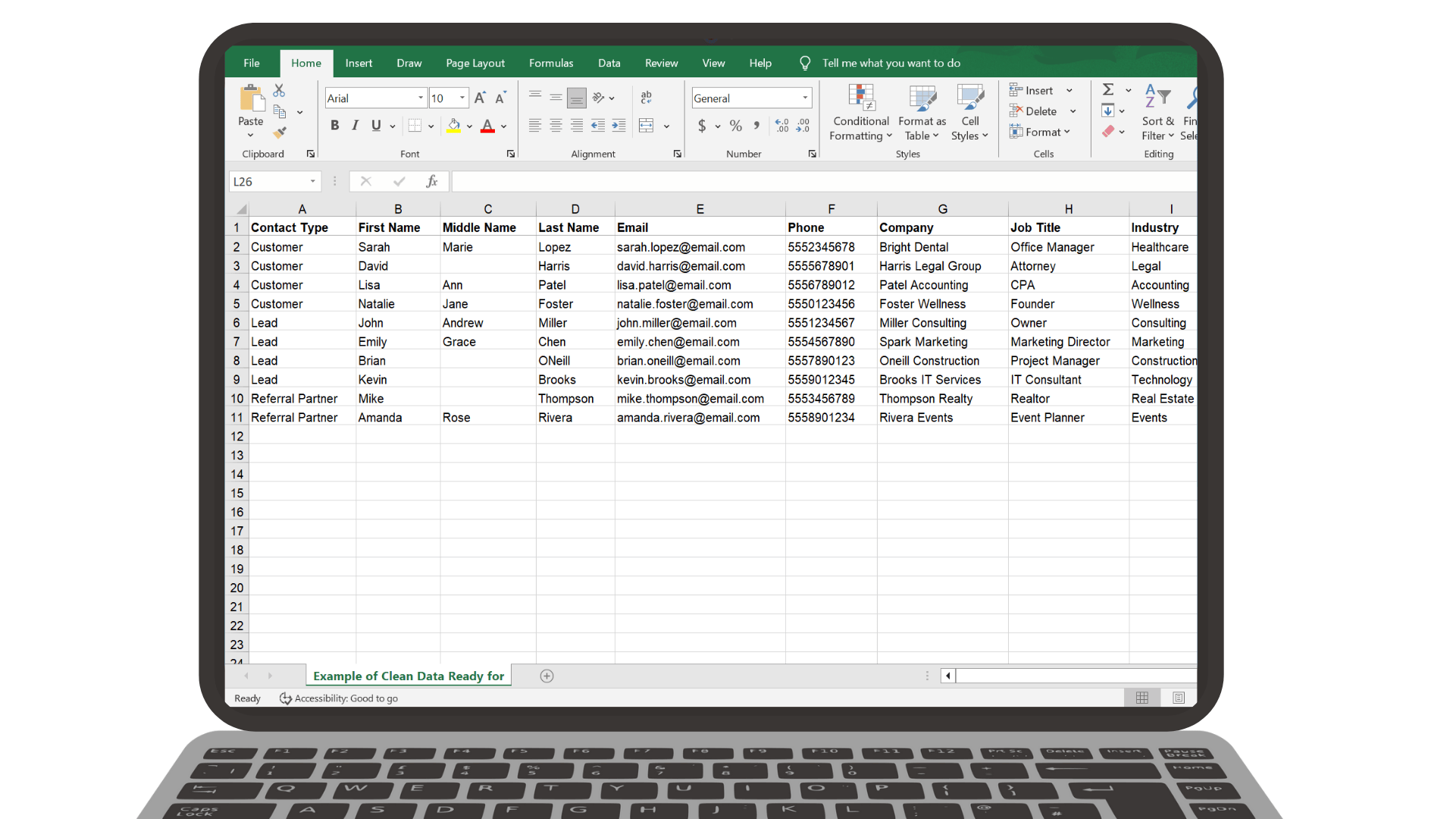
Clean data imports faster, maps easier, and creates fewer issues later.
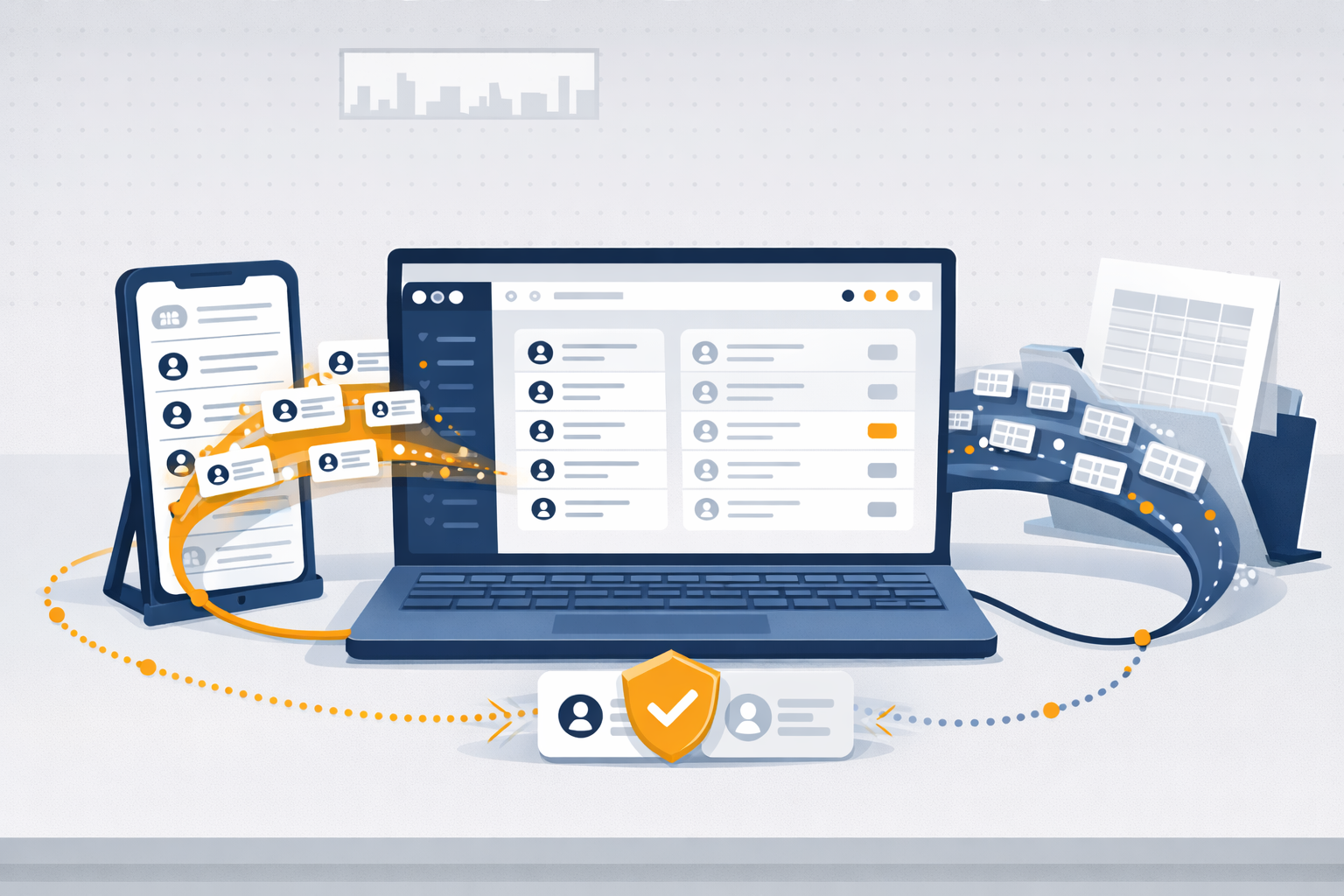
Importing helps you get your existing contacts into Segwik quickly so you can focus on relationships instead of retyping information.
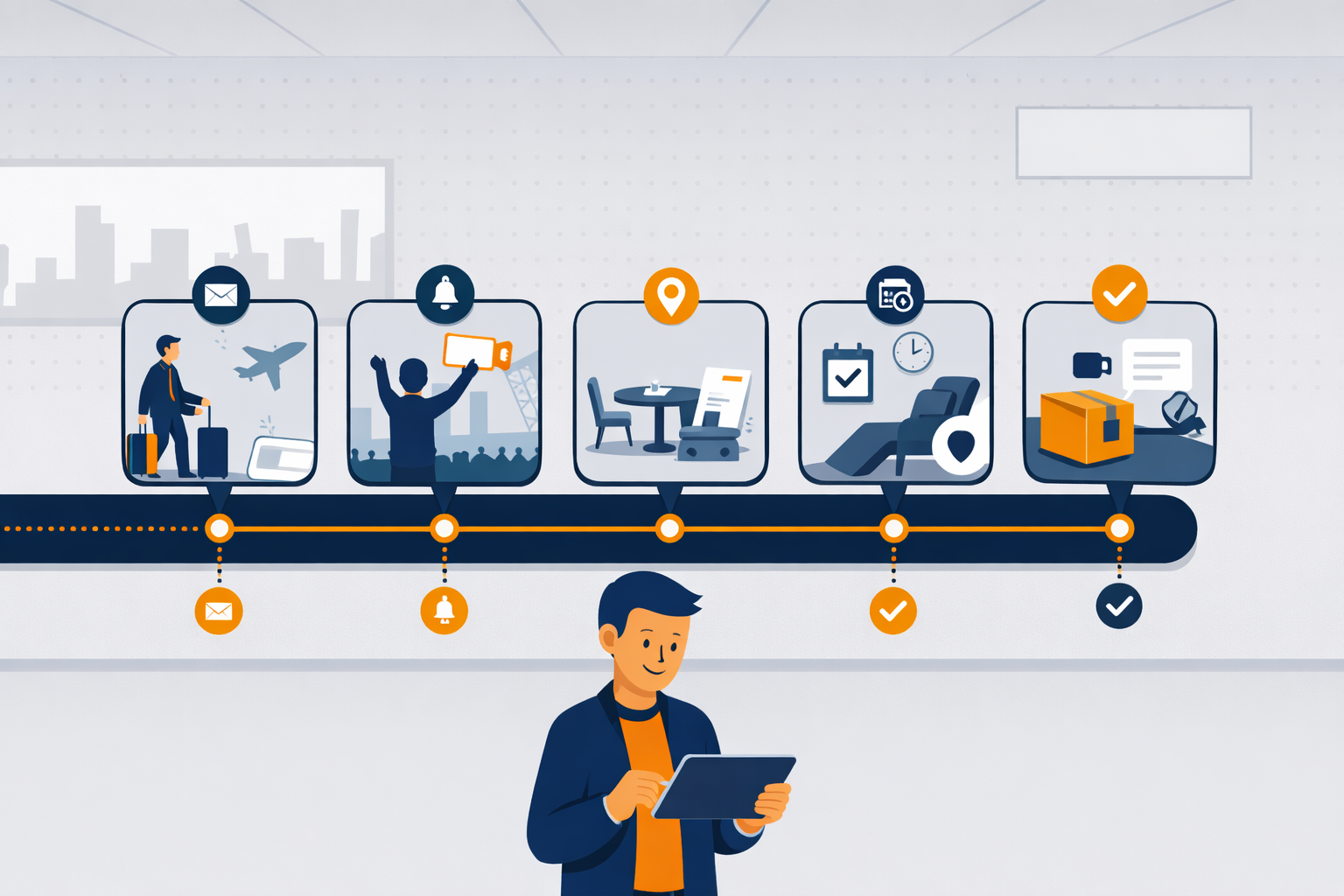
See how familiar experiences like airlines, restaurants, dentists, retail, and online ordering guide people step-by-step — with automation quietly keeping everything on track.