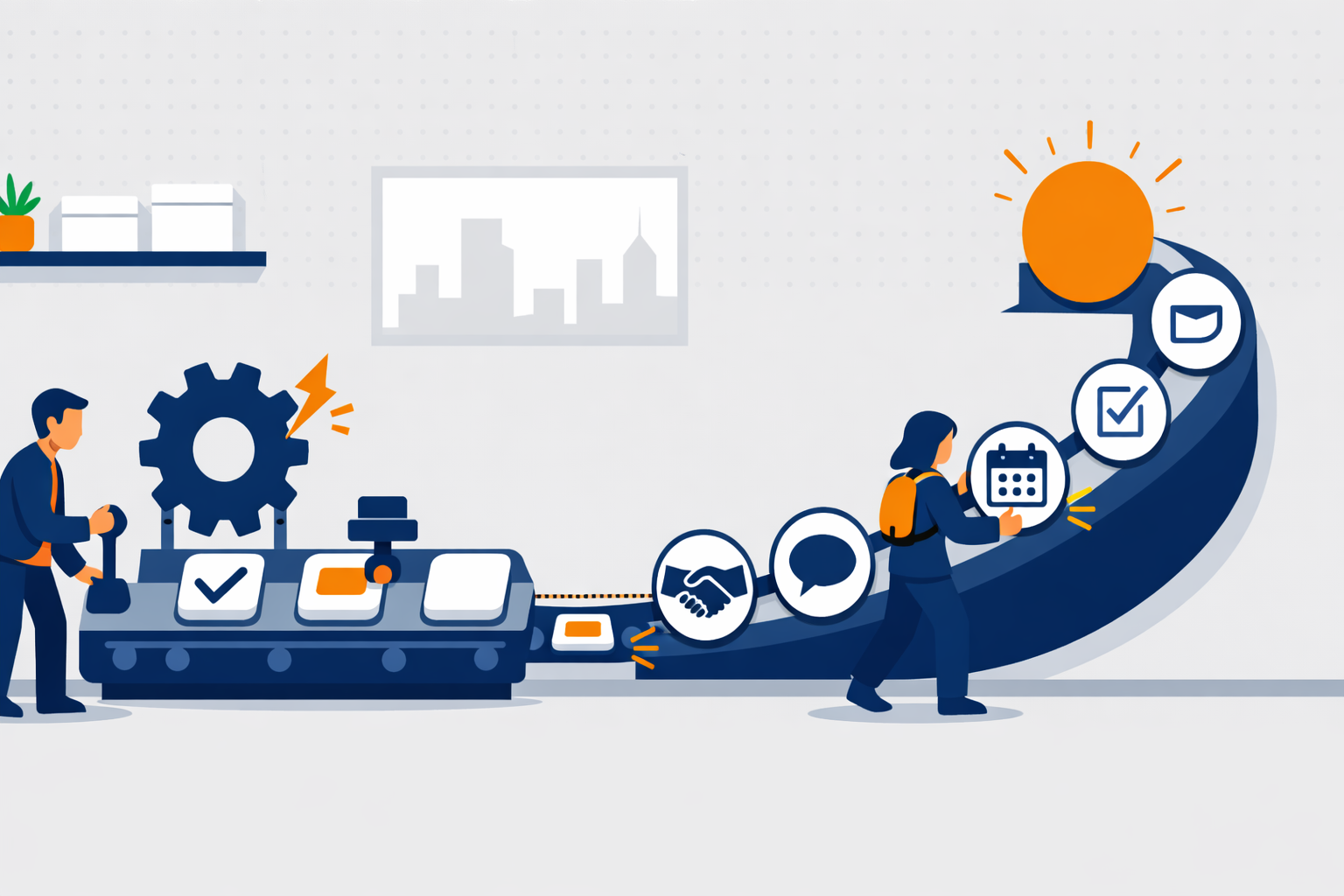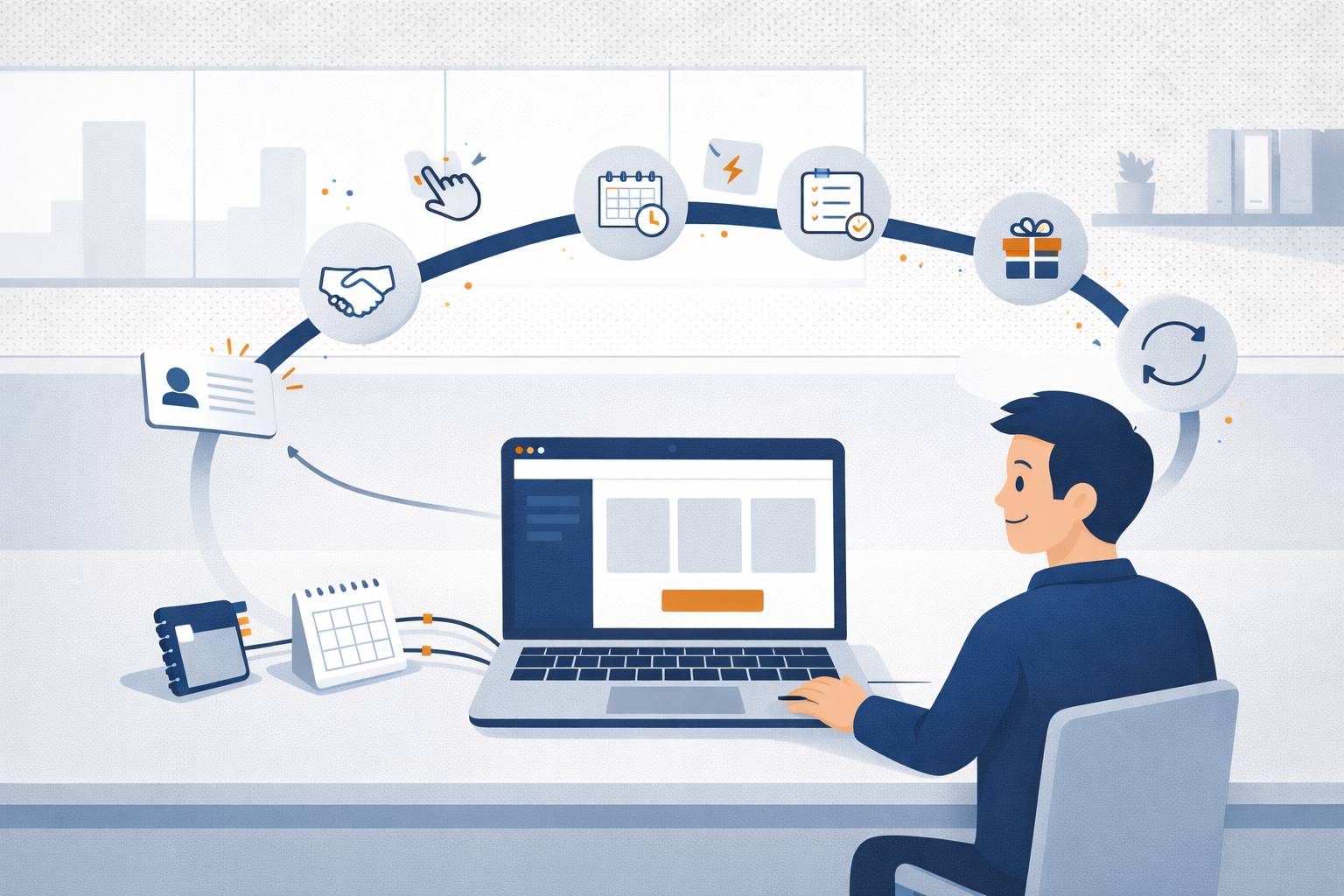
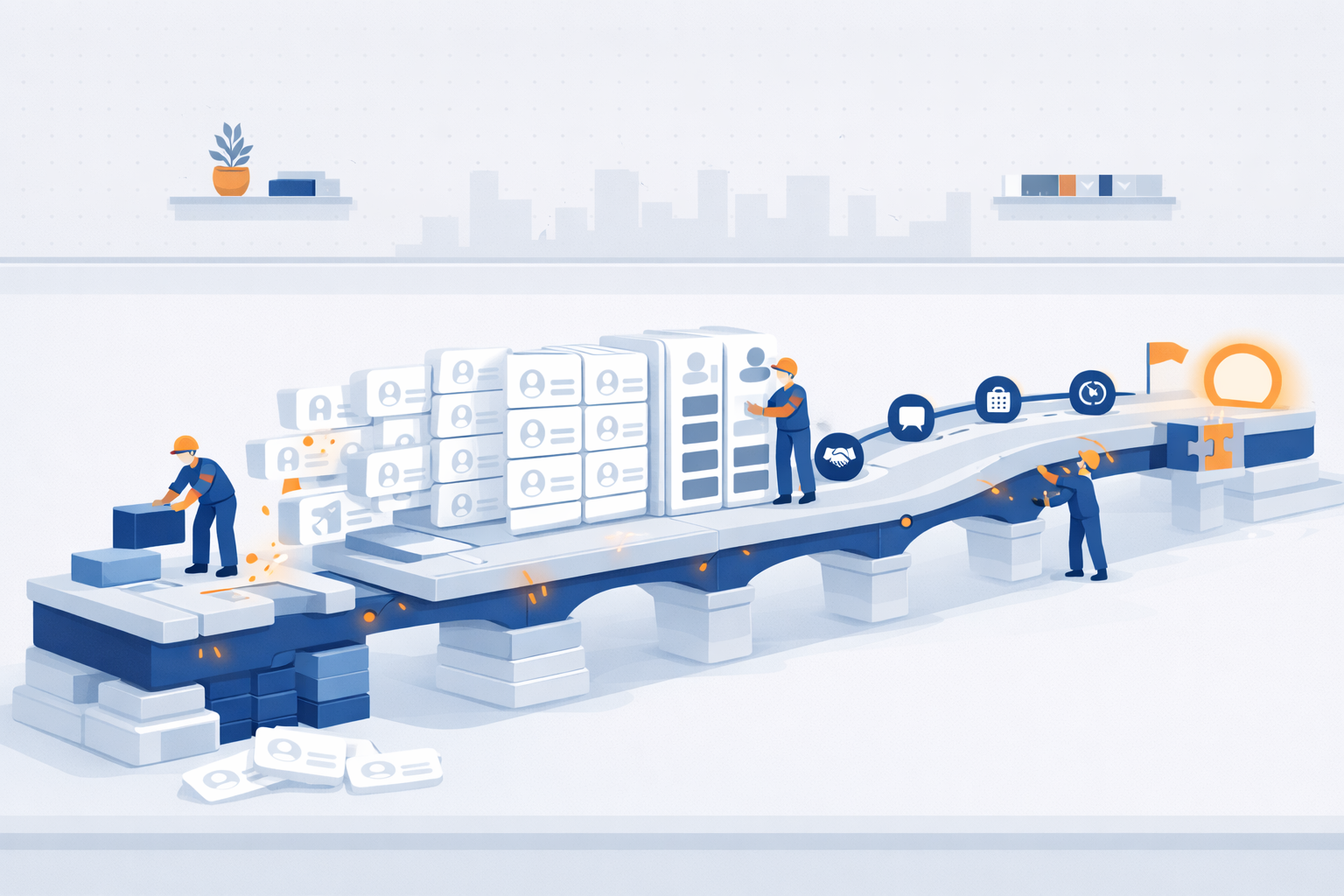
The first 30 days is where Segwik becomes a real system — one that remembers people, keeps relationships warm, and removes the mental load of follow-up.
If you use Segwik consistently for one month, you stop relying on memory. You stop losing track of people. And you stop wondering who you should follow up with next.
Your goal is not to set up everything. Your goal is to build a foundation so Segwik can start helping you every day.
The easiest way to succeed is to build in stages. Each stage unlocks the next.
Set up your basics so your profile and digital card are real, clean, and usable.
You’ll know you’re winning when:
Bring contacts into Segwik so you’re not starting from zero.
You’ll know you’re winning when:
Apply light organization so Segwik becomes useful and searchable.
You’ll know you’re winning when:
This is where Segwik starts saving you time. Follow-up stops being manual.
You’ll know you’re winning when:
Strengthen what you built so it runs even smoother.
You’ll know you’re winning when:
This check-in is where we look at what you built and make it sharper. We review your progress, remove friction, and map the next upgrades that actually matter.
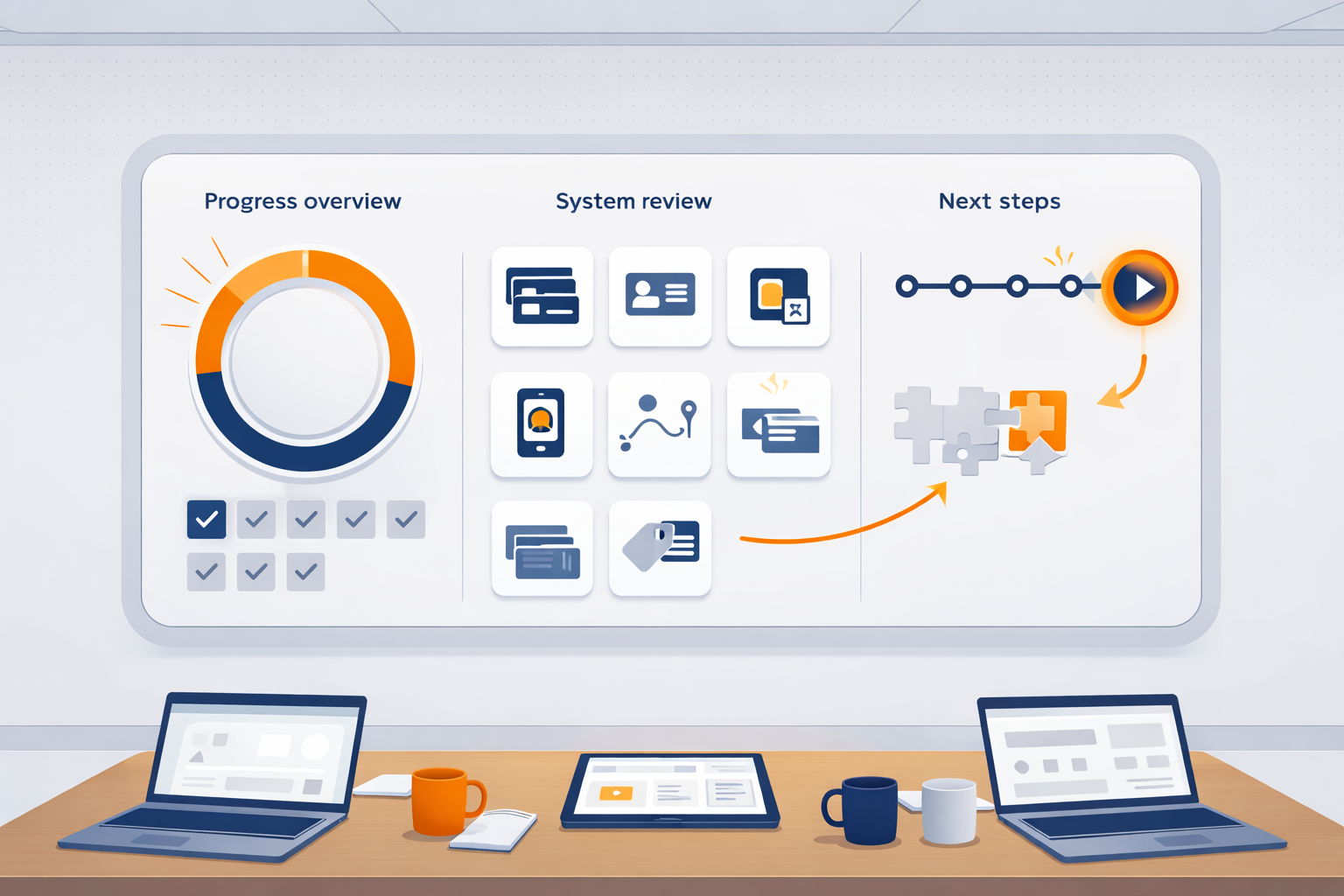
Best mindset: show up honestly — we’ll build the system around what you actually need.
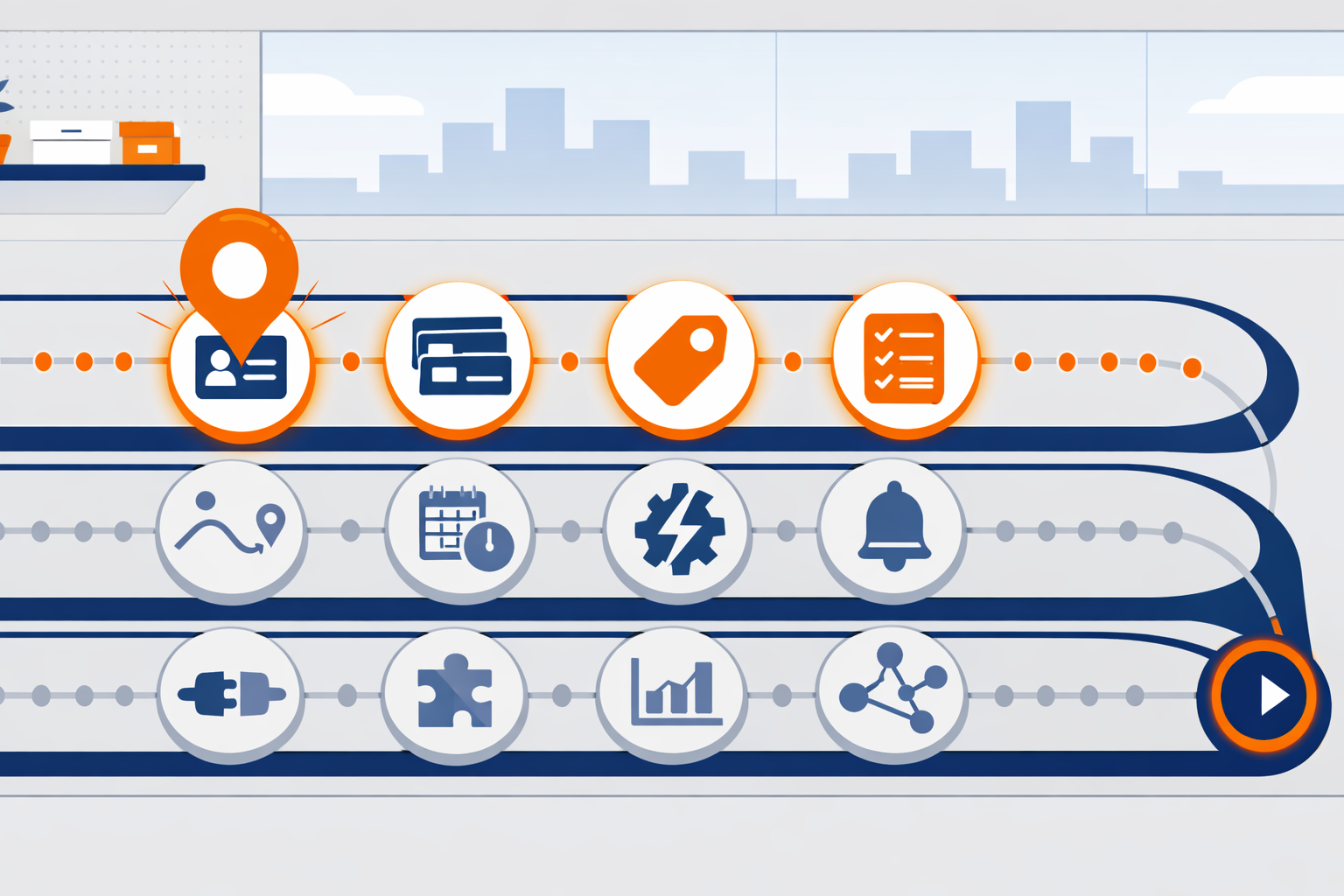
If you’re ever unsure what to do next, the Roadmap is your answer.
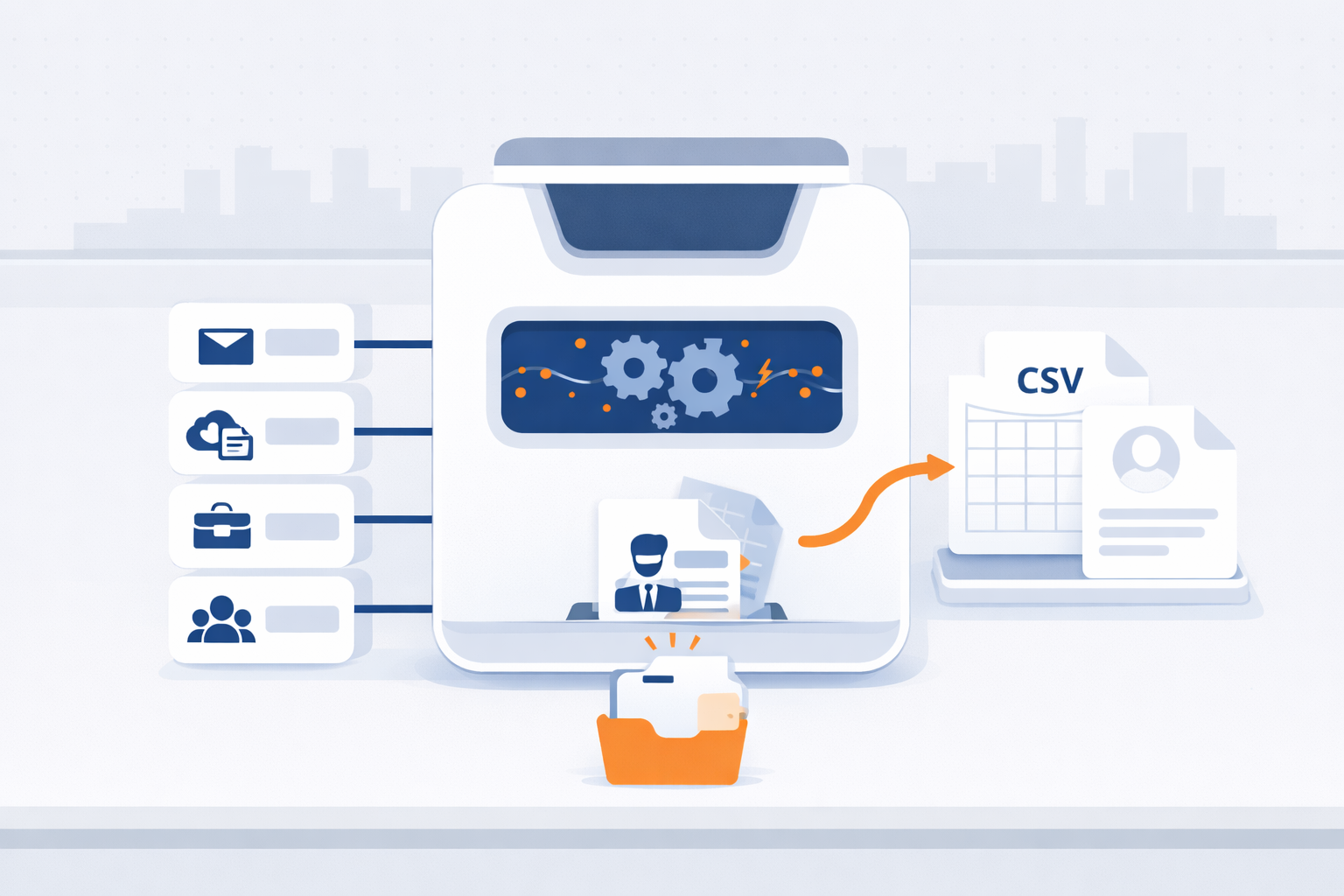
Export your contacts from Gmail, iCloud, Outlook, or Mailchimp in minutes—so you can bring them into Segwik quickly and stay organized.
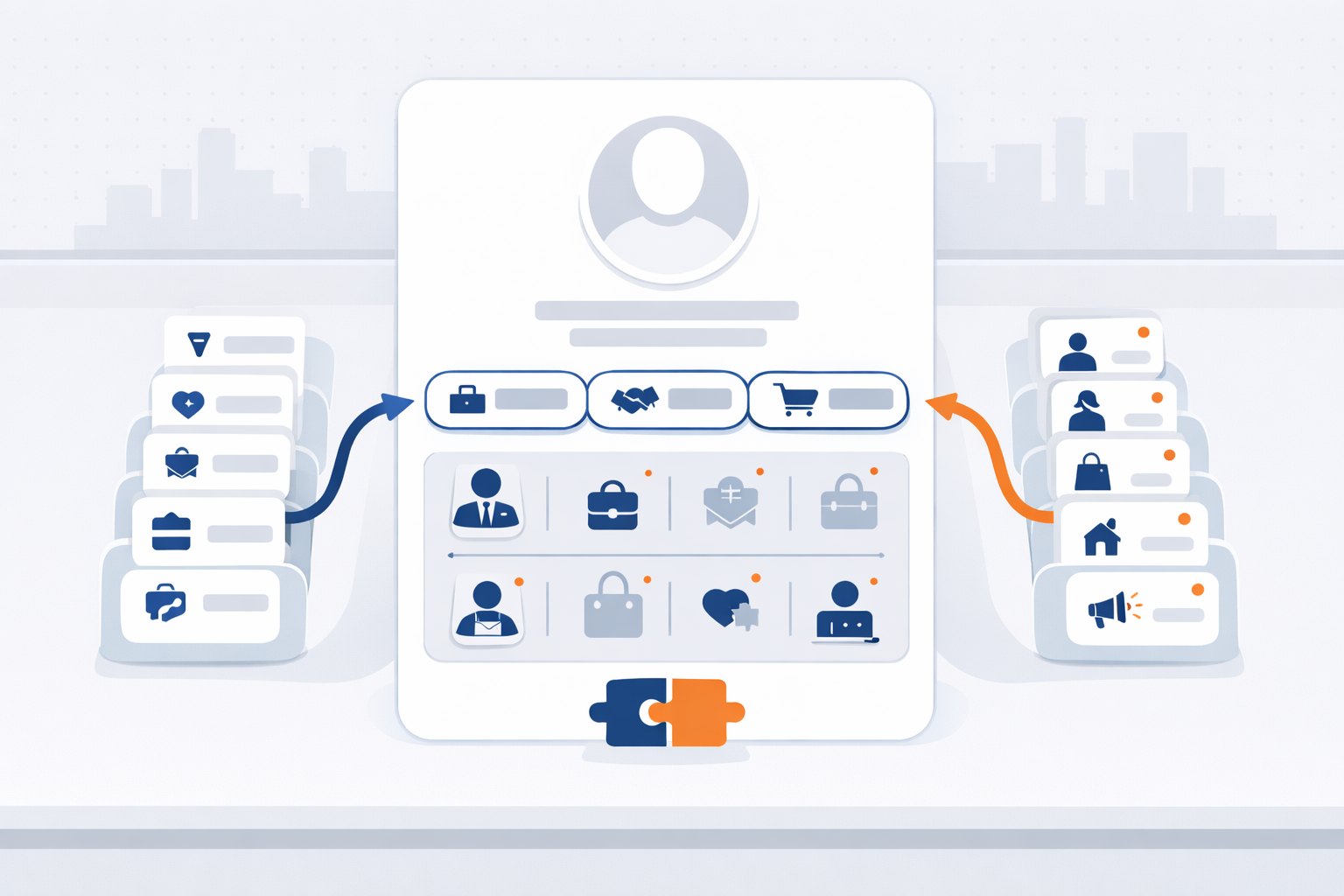
Contact Types and Personas help Segwik understand both your relationship to someone and who they are in your world.
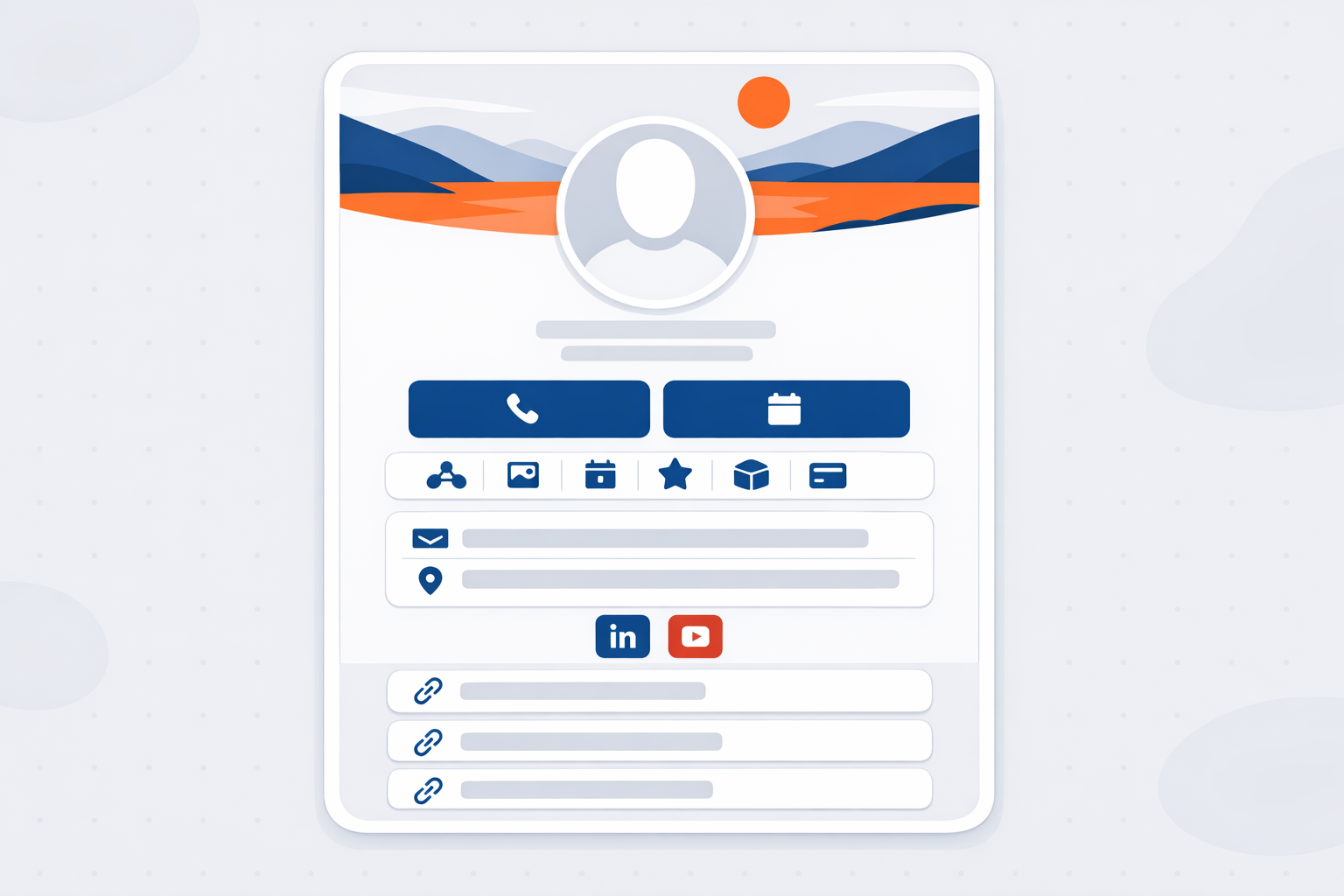
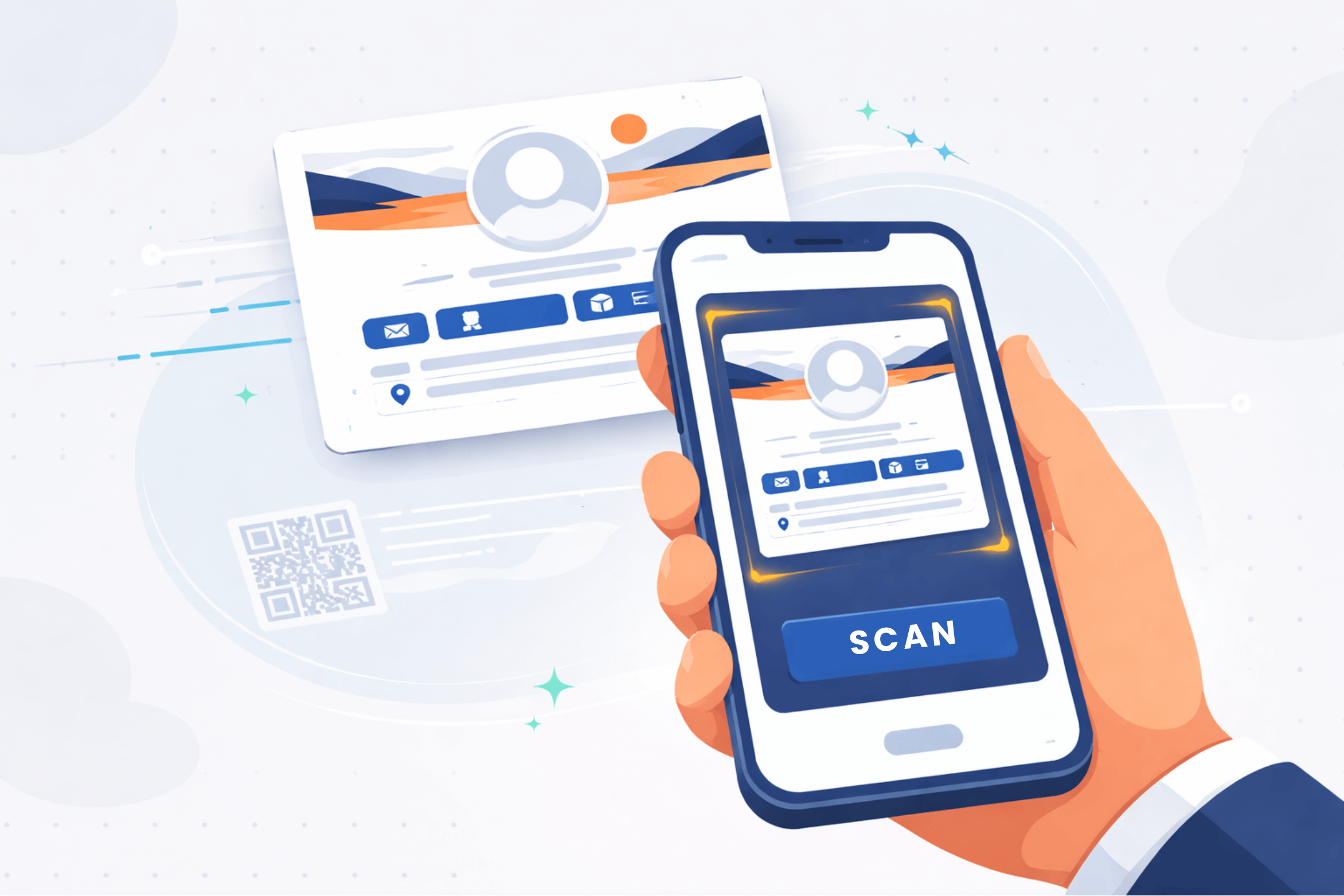
A great digital card makes it easy for people to save you, contact you, book time with you, and share you—without friction.
Clean data imports faster, maps easier, and creates fewer issues later.
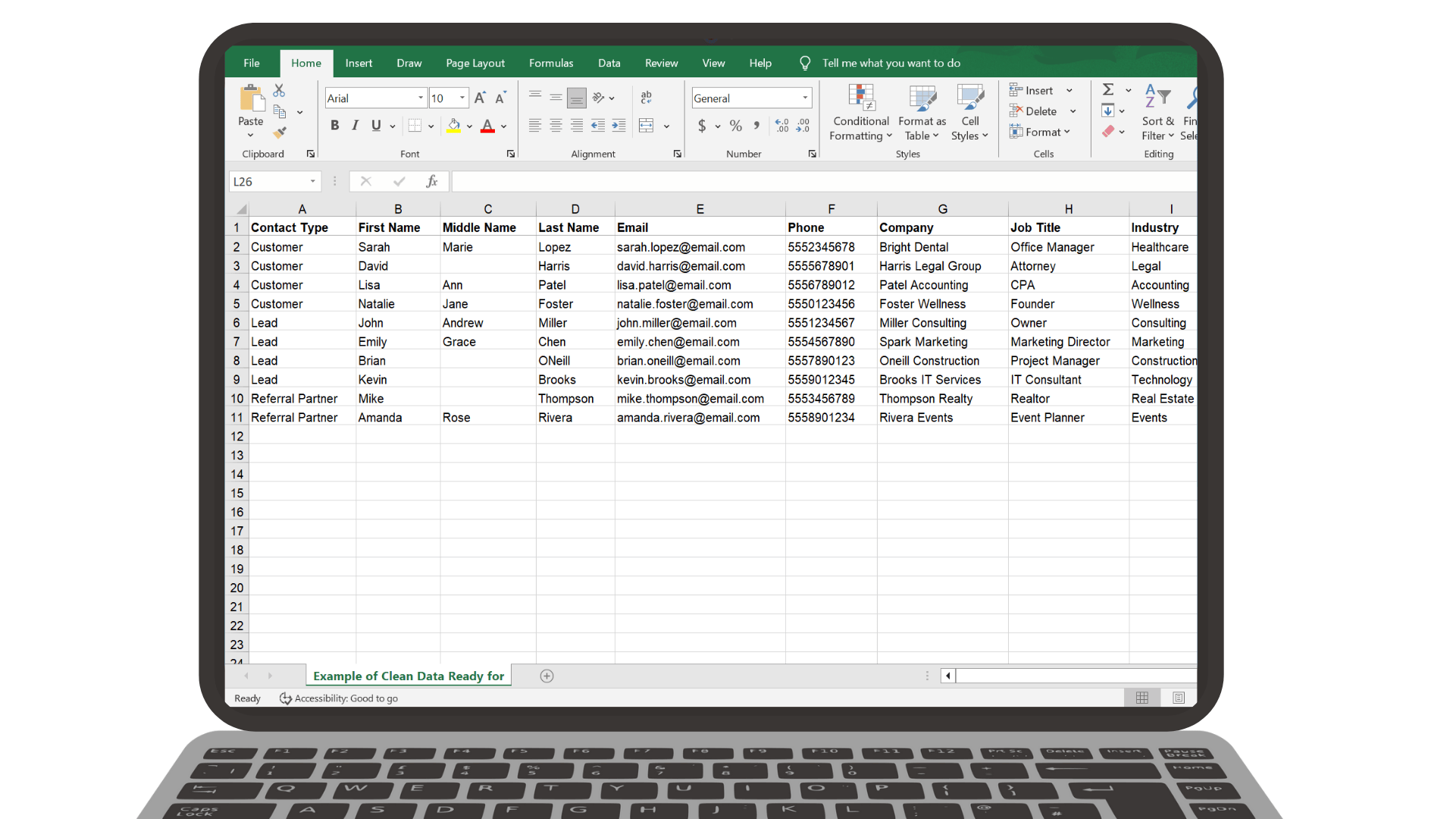
Clean data imports faster, maps easier, and creates fewer issues later.
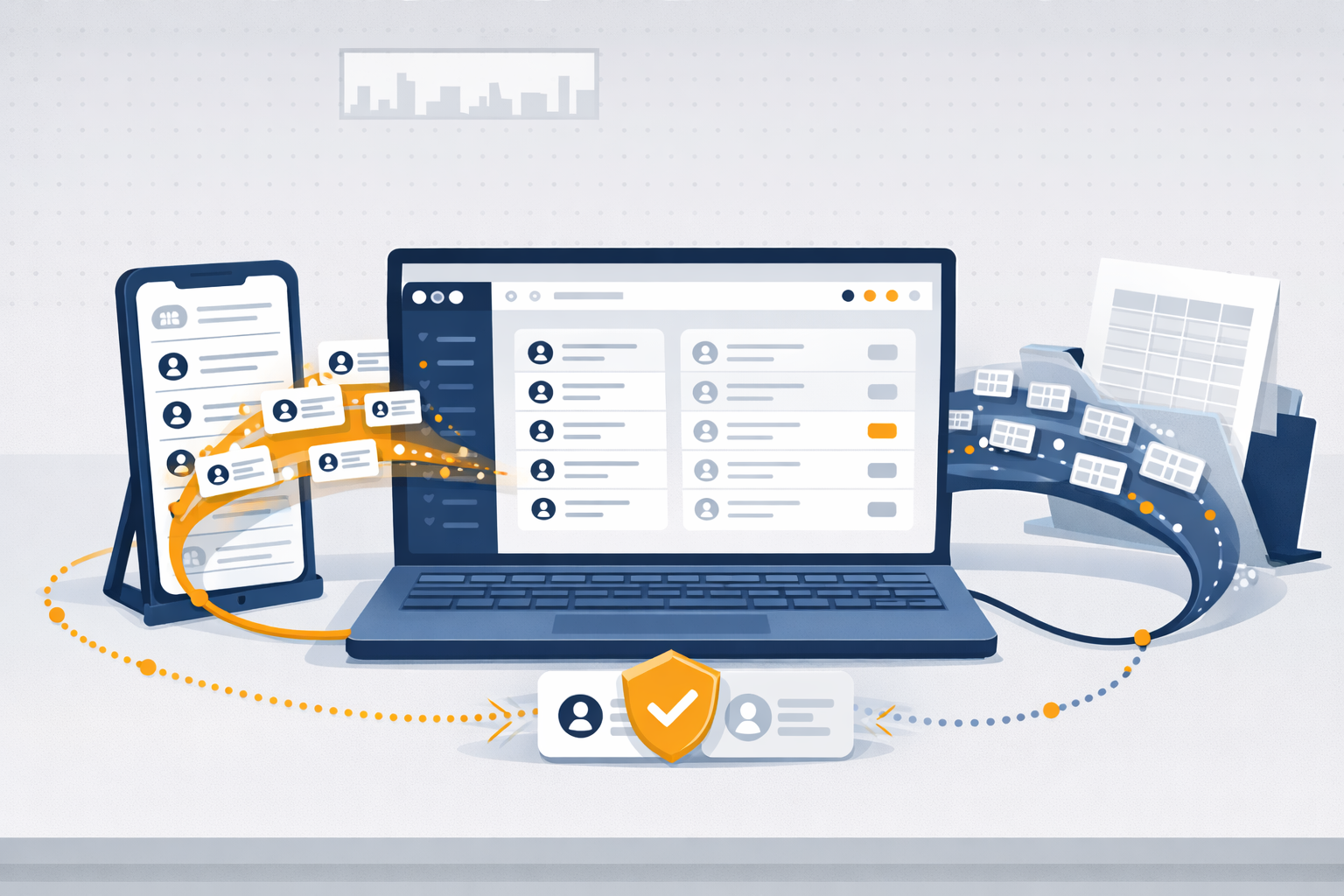
Importing helps you get your existing contacts into Segwik quickly so you can focus on relationships instead of retyping information.
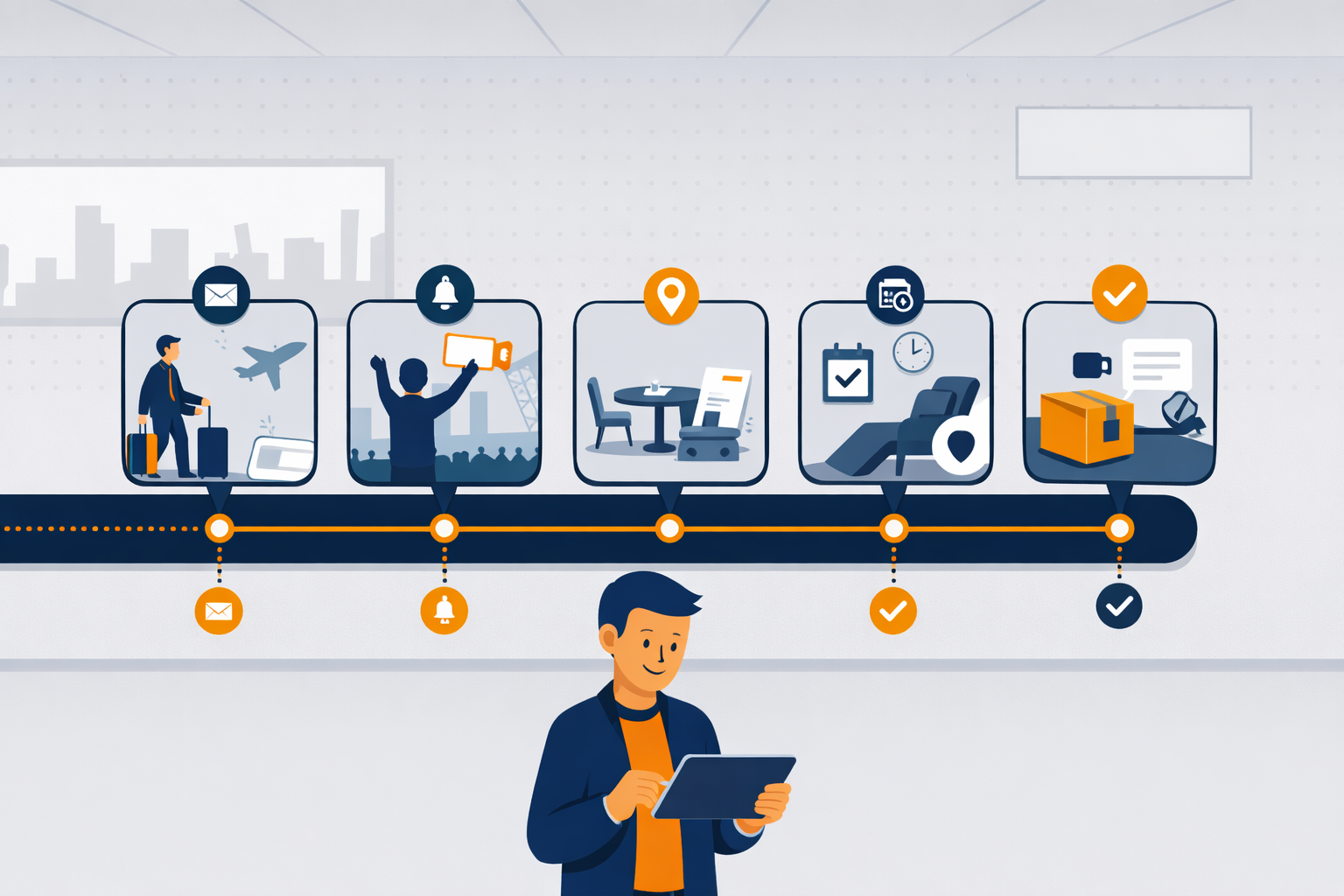
See how familiar experiences like airlines, restaurants, dentists, retail, and online ordering guide people step-by-step — with automation quietly keeping everything on track.